Is this police force professional and capable of handling violen...
/ 2026-10-16 18:54:07Focus


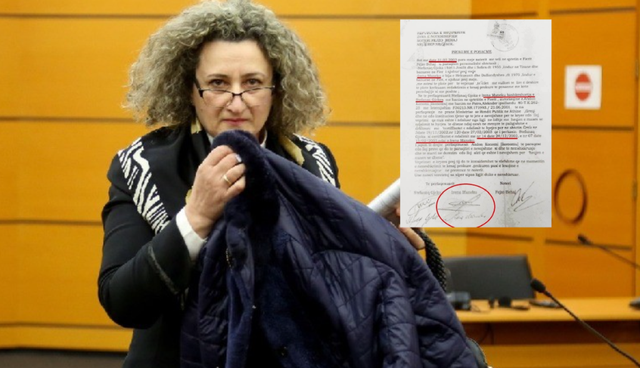
Special Judge Irena Gjoka has lied to the justice system for 10 years, denying in the decriminalization form not only the sentence, but also the deportation by the Greek authorities, which the judge herself accepted years ago through a power of attorney in which she authorized a Greek lawyer to remove the punitive measure.
But, even though the judge's fraud has now been publicly exposed, and even confirmed by the General Prosecutor's Office, which is the body responsible for verifying the statements made on the decriminalization form, the judge continues her efforts to continue further in the justice system.
She does this through a weak justification that she has sent to the High Judicial Council. In this document, Irena Gjoka cites Greek legislation of the time, claiming that her conviction for forgery was not an offense provided for in the Greek Criminal Code, but was provided for in the legislation for foreigners.
According to the judge's logic, the charge of forgery does not constitute a criminal offense, but a violation of a different nature under Greek legislation.
Secondly, the judge says that the decision was not final and this is enough not to constitute a reason for the termination of her mandate as a judge. Even this claim of hers is refuted by the fresh examples that decriminalization has brought, the most typical case of which is the former member of the KPA, Luan Daci, who left the vetting commission because he had not declared on the form a decision to dismiss him from office in 1996.
Irena Gjoka further claims that the ILD cannot initiate disciplinary proceedings against her, not because there is no conviction, but because the conviction against her has not brought any legal consequences and that the ILD cannot initiate disciplinary proceedings after 5 years from the time the alleged violation occurred. Put simply, the special judge refers to the procedure to avoid the ILD's disciplinary investigation and not to the substance, which in her case is the fraud on the decriminalization form.
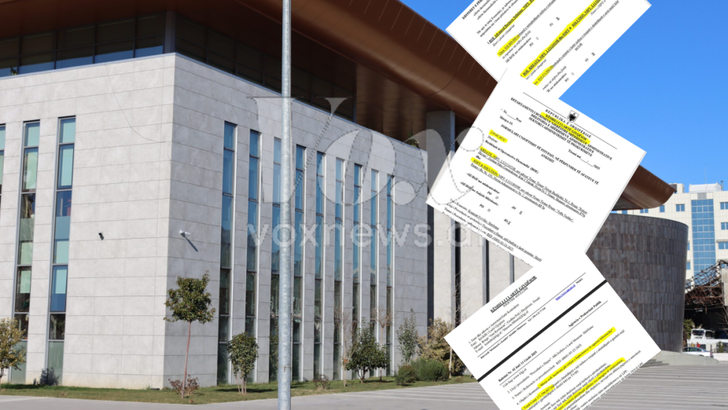
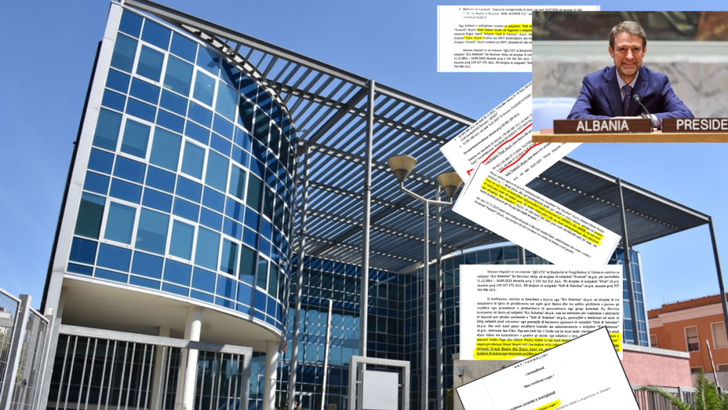
In addition to all of this, Judge Irena Gjoka is also caught off guard by the decriminalization form and a notarial declaration dated March 31, 2003, where she authorizes a lawyer with Greek citizenship to represent her in efforts to lift the deportation measures.
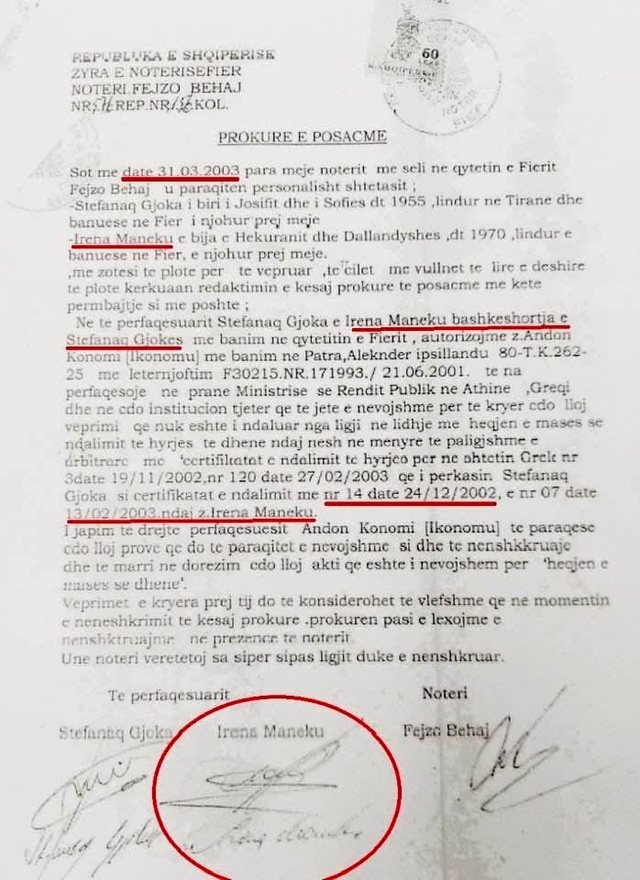
The document in question contradicts the statements that the judge made both in the decriminalization form and in the submissions she submitted to the High Judicial Council. In the decriminalization form, the judge did not answer all the questions related to the conviction, detention, investigation, or expulsion from a foreign country. In the submissions she sent to the High Judicial Council, she acknowledges the conviction and the ban on entering Greece, but says that she was not aware of it at the time of filling out the decriminalization form.
Irena Gjoka completed the decriminalization form on April 22, 2016, or a little over 13 years from the notarial declaration authorizing her lawyer in Greece to lift the decision to deport her from the Greek authorities.
According to the judge's logic, in 2016 she did not know that there was a conviction or deportation decision by the Greek authorities, even though 13 years earlier she had signed a power of attorney with a Greek lawyer to challenge these decisions.
©Copyright Vox News
This article is exclusive to Vox News, and is protected by copyright under Law No. 35/2016, "On Copyright and Related Rights". The article may be republished by other media only by citing Vox News and placing a link to the source at the end, otherwise any violator will be held liable under Article 178 of Law No. 35/2016.