Is this police force professional and capable of handling violen...
/ 2026-10-16 18:54:07Focus


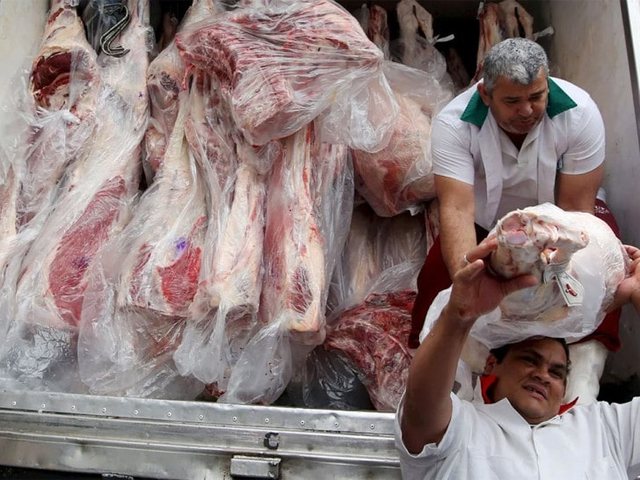
The European Union has decided to ban imports of Brazilian meat starting September 3, a decision that comes just after the EU-Mercosur free trade agreement comes into force on May 1.
The main reason for this ban is related to the use of antimicrobials to stimulate animal growth in Brazil, a practice that conflicts with EU food safety standards.
A committee made up of experts from member states voted unanimously to remove Brazil from the list of countries that comply with these standards, making it the first country to be excluded for this reason.
This decision underlines that, despite the liberalisation of agricultural trade through the EU-Mercosur agreement, the Union's food safety rules remain binding and irreplaceable.
From September, Brazil will not be able to export products such as cattle, horses, poultry, eggs, aquaculture, honey and intestines to the EU. European Commission spokeswoman Eva Hrncirova stressed that trade agreements do not change EU rules, adding that both European farmers and exporters from third countries must comply with them.
The EU-Mercosur deal has faced strong opposition from European farmers, who warn of unfair competition due to different production standards. To protect them, Brussels has negotiated safeguards, including quotas for sensitive products such as poultry and meat, as well as mechanisms for market monitoring.
If Brazil manages to meet food safety requirements, imports could resume and the country would benefit from the tariff relief provided for in the new agreement, just like Argentina, Paraguay and Uruguay.
The Albanian meat market also remains heavily dependent on Brazilian imports. According to INSTAT data, meat imports to Albania from Brazil increased by 29% during the period 2014–2024, reaching around 48 thousand tons last year alone.
Brazil is the main supplier of meat to the Albanian market, which raises questions about the impact that the EU's decision may have on the supply chain and food safety standards in the region.