"The fate of the homeland is in our hands" - An appeal by Ismail...
/ 2026-10-18 16:09:54Focus


A personal narrative that begins as a social anecdote and ends as a political critique of the British immigration system.
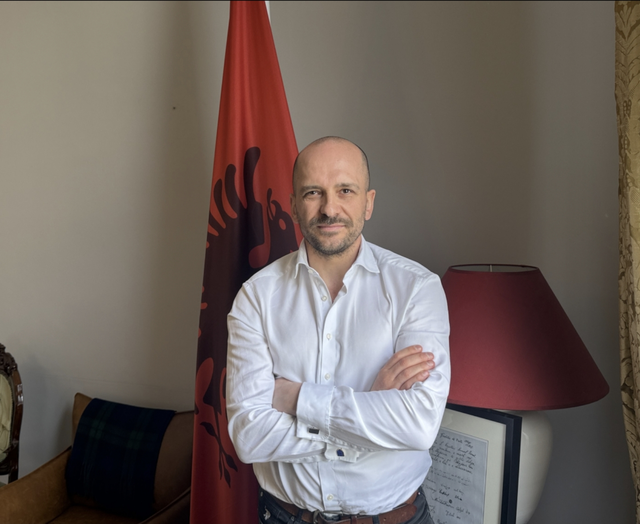
This is how the article by the Albanian ambassador to London, Uran Ferizi, published in The Spectator, can be summarized.
In a narrative that moves between personal memories and diplomatic reflection, Ferizi constructs an unusual story about an ambassador: from illegal immigration as an Albanian teenager, to studies at Oxford and then a diplomatic career in the United Kingdom.
The starting point is a simple episode at a formal dinner, where a British aristocrat asks him about his impressions of Britain. His answer – “I’ve loved it since I arrived as a clandestine person” – turns into a sudden moment of reflection, which, according to him, does not close the conversation, but rather opens it.
From there, the ambassador recounts his journey, crossing borders, working in a restaurant and supermarket, and then being accepted to Oxford University.
A history he uses as the basis for a broader question: Does Britain today still value such a history of integration and transformation?
In the writing, Ferizi places his personal story in a broader Albanian historical and cultural context, recalling the isolation of communism, the exodus after the '90s, and the tradition of Albanian hospitality, including the sheltering of Jews during World War II.
But the strong emphasis of the opinion shifts towards British immigration policies. He criticizes the way Albanians have been used in public discourse as a negative political symbol, as well as the visa system, which he says creates costly and unnecessary barriers, pushing some immigrants towards illegal routes.
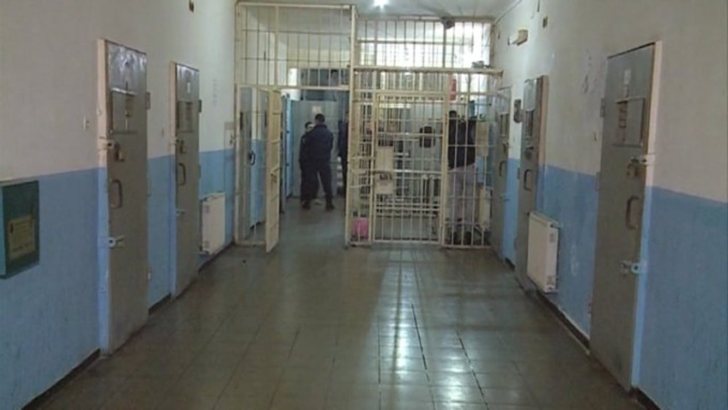
In a more direct section, the ambassador connects this approach to the social consequences on the ground, citing the cases of Albanians in British prisons and the role of traffickers who exploit loopholes in the system.
However, the article is not a rejection of Britain. On the contrary, Ferizi closes with a clear nostalgic and protective tone towards the country that, according to him, has shaped his personal and professional identity.
The Britain he describes is one of justice, culture and opportunity – a place “worth defending, perhaps even from itself”.
Full text of Ambassador Uran Ferizi's article in The Spectator
A few days ago, during a formal dinner, an aristocratic English lady asked me what impression Britain had made on me. I told her that I had loved it since the moment I arrived from Albania, at the age of 17. I took a deep breath and, like a fool, added: “As a stowaway.” I expected this comment to mark the end of the conversation. But her eyes lit up. “Fantastic! My brother left England for Canada 45 years ago. And he as a stowaway. What an adventure!”
Në Britani unë erdha nga Belgjika, i fshehur në një kamion — pasi kisha ikur nga Shqipëria me skaf për Itali. Katër vitet e para punova në një restorant dhe në një supermarket, përpara se, krejt papritur, të pranohesha në Universitetin e Oksfordit për të studiuar matematikë. Isha ai i huaji që mësoi gjuhën, ra në dashuri me kulturën britanike, punoi dhe pagoi taksat.
Tani pyes veten nëse Britania vazhdon të vlerësojë ende një histori si kjo e imja.
Si ambasador i Shqipërisë, nuk është normale të flas kaq haptazi. Por vërej se ambasadorët britanikë në Tiranë flasin lirshëm për mangësitë e Shqipërisë dhe nevojën për reforma, dhe prononcohen me qetësinë e dikujt që prej kohësh nuk i ka lexuar lajmet nga vendi i tij. Zëre se me këtë letër po ua shlyej një borxh të vogël.
Ne jemi një popull i lashtë, me vlera tona krenare dhe të forta. Lord Bajroni shkroi për mikpritjen shqiptare në “Udhëtimin e Çajld Haroldit”, vepër të cilën e kam lexuar në shkollë. Më vonë, Shqipëria vuajti diktaturën komuniste më brutale në Europë. Shtypja ishte aq e plotë dhe aq paranojake, sa arriti të na izolonte edhe brenda vetë Bllokut Lindor. Varfëria dhe kaosi ishin real. Po aq real ishte edhe eksodi masiv që pasoi. Unë isha pjesë e tij.
Ajo që ndodhi më pas është një histori që rrallë tregohet në Britani. Që nga rënia e atij komunizmi tiranik, ky vend me më pak se tre milionë banorë është rindërtuar me një shpejtësi të jashtëzakonshme. Turistët britanikë që vizitojnë Shqipërinë shpesh habiten: jo vetëm nga bukuria e plazheve, por edhe nga ngrohtësia e njerëzve dhe ndjesia se në atë vend po ndodh diçka interesante.
Ekziston edhe një kapitull i historisë sonë që në ditët e sotme merr një rëndësi të veçantë. Gjatë pushtimit nazist, familjet shqiptare strehuan çdo refugjat hebre që kërkoi ndihmë. Asnjëri prej tyre nuk iu dorëzua nazistëve. Si rast unik në Europën e pushtuar, popullsia hebreje në Shqipëri ishte më e madhe pas luftës sesa para saj. Besa dhe mikpritja janë për shqiptarët siç është drejtësia për britanikët: një tipar thelbësor kombëtar. Kur flasim për rreziqet e përçmimit të një komuniteti përmes karikaturave dhe stereotipeve, ia vlen të kujtojmë se cilat kombe u treguan fisnikë kur rreziku matej me jetë.
Kjo na çon te Britania – një vend me një inteligjencë morale instinktive që e kam admiruar dhe dashur sinqerisht. Sot, kur flitet për imigracionin, ka politikanë britanikë të cilët fjalën “shqiptar” e kthejnë në një instrument retorike. Disa nga ata e shohin fyerjen e shqiptarëve si më të leverdisshme sesa diskutimin për shëndetësinë apo arsimin. Dhe dëmi nuk bie vetëm mbi shqiptarët – të cilët dinë si t’u bëjnë ballë vështirësive – por mbi vetë imazhin e Britanisë dhe mbi çdo pakicë etnike që sheh se si kufijtë e retorikës së tolerueshme po zbehen gjithnjë e më shumë.
This rhetoric seems to be influencing state policy as well. The visa system for Albanians costs hundreds of pounds, requires visits to an office on the outskirts of Tirana, a complex application form and, if you’re lucky, a six-month visa. By comparison, Italy and Germany have established functioning mechanisms for legal movement. In these countries, Albanians are no longer stigmatized. They are known for what they really are: hardworking taxpayers.
On the other hand, those Albanians who are excluded from legal channels fall prey to traffickers, who tell them not to waste time on visas. Some end up on cannabis farms and then in prison.
I have visited some of them. At Wormwood Scrubs prison in London, staff told me that Albanians are among the most well-behaved prisoners. Most of them are young men in their twenties and are there mainly for narcotics. They were ashamed, but not angry. Almost none had come to Britain on a visa. All had borrowed money to pay off the traffickers.
The policies that produce sensational headlines also produce prisoners. This is a policy that creates the very problem it claims to solve. It does not stop Albanians from coming to Britain; it simply ensures that they do so illegally.
Albanians in Britain build houses, repair boilers, practice medicine. They pay taxes. Their children speak English at home. They are exactly the immigrants that politicians say they want. But it is these same politicians who build a system that makes their way to Britain almost impossible.
Britain made me who I am. Oxford too. Kate Bush, Monty Python and a deep belief that things should be right – all of these shaped me. I still believe in the Britain that once gave a teenager washing dishes in a restaurant the feeling of being at home. The Britain where, perhaps uniquely in the world, a child’s first words are: “This isn’t fair.” That Britain is worth defending. Perhaps even from itself.