"We are drowning..." - From Lisbon, Milan to Tirana, "The Guardi...
/ 2026-10-18 23:13:32Focus


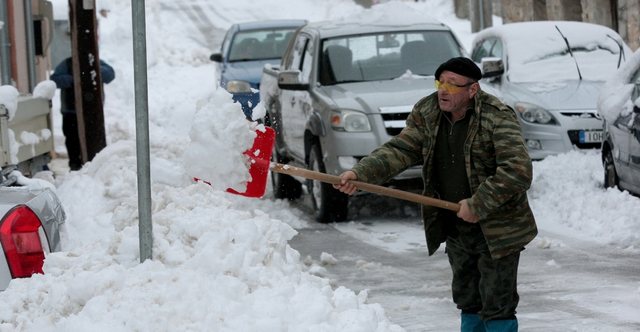
In Greece, even the northernmost areas rarely experience truly harsh winters. But there is one exception: Kato Nevrokopi. Temperatures are so low there every year that the village has long been dubbed the “Siberia of Greece.” In fact, in 2021, the mayor officially used this name in a letter to the Ministry of Finance, Protothema writes.
Temperatures that freeze your face
The village has earned this nickname with good reason. On Christmas Day 2021, the thermometer read -11°C. On New Year's Eve 2019, the temperature dropped even lower, to -21°C. The same figure was recorded in December 2005. In January 2017, residents ended the month with -18°C.
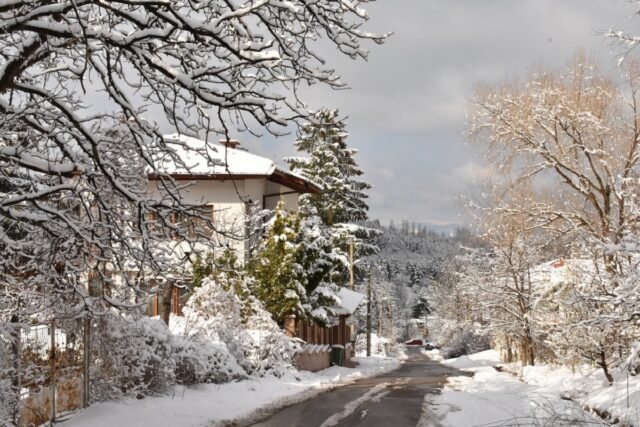
The claim that the temperature has dropped to -28°C is often mentioned, but this has never been officially verified. The historical record for Greece remains -27.8°C in Ptolemais, in 1963.
The village where snow falls even in June
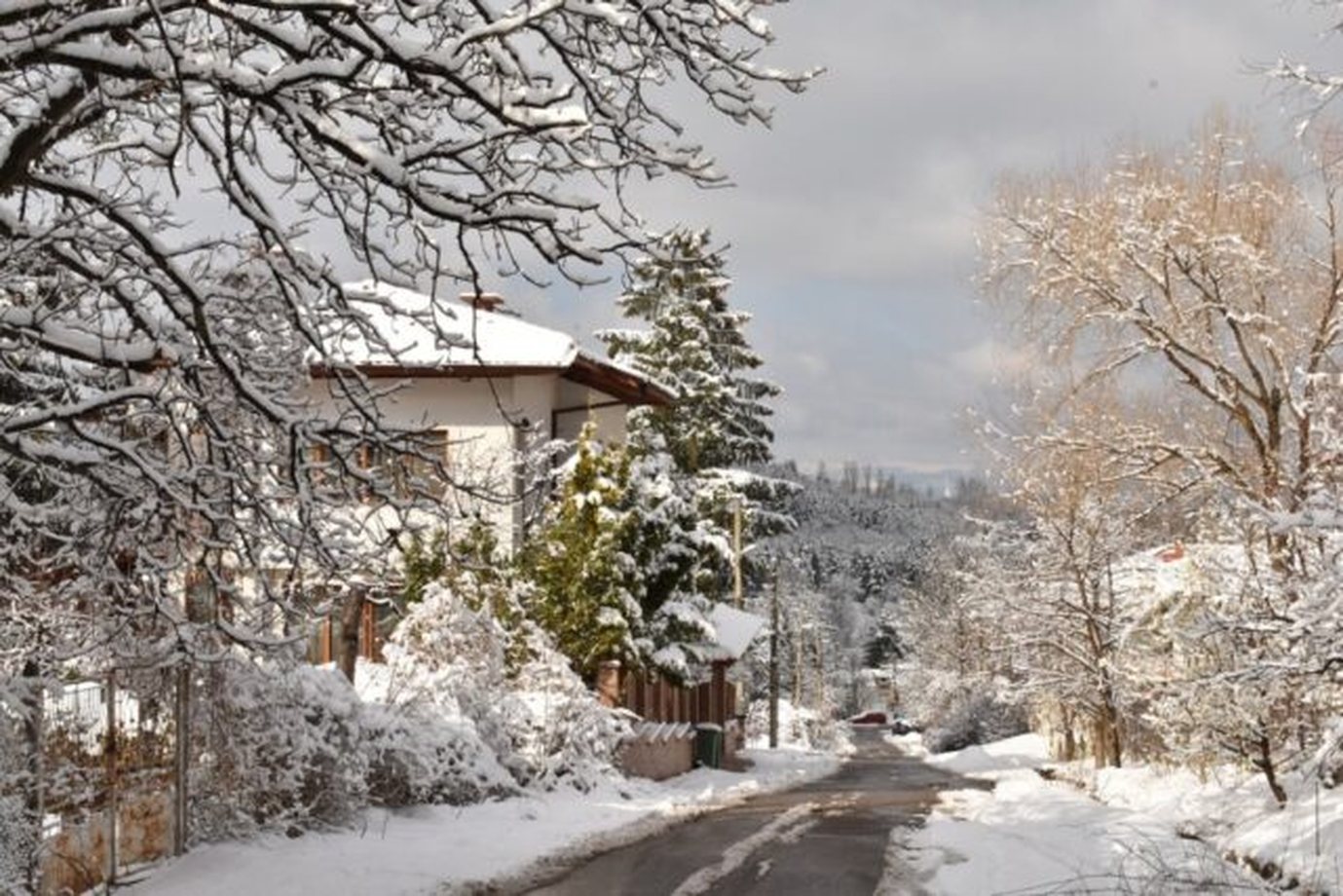
What sets Kato Nevrokopi apart is not just the cold, but how long it lasts. Winter can last up to seven months. In 1996, for example, the area snowed in at the end of June. The event was so unusual that it was even included as a question on the TV show “Who Wants to Be a Millionaire?”
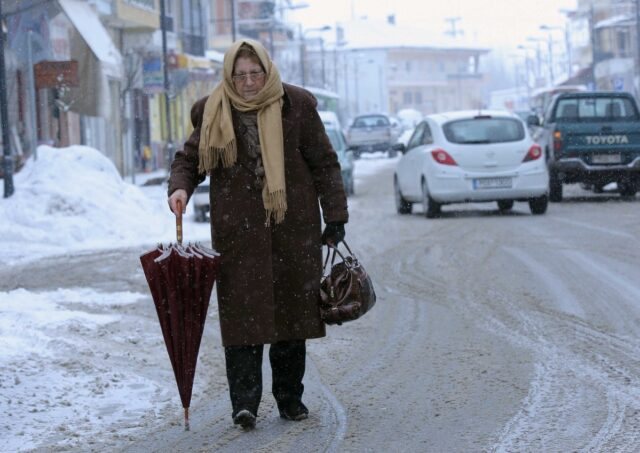
Why is it so cold? Meteorologists explain
The Nevrokopi plateau is located at an altitude of 559 meters and is surrounded by mountains. This geographical shape creates a natural “dome” that prevents warm air from entering. As a result, the cold remains trapped for many days, even for many months. This special microclimate gives the area conditions that, proportionally, resemble the Siberian steppes.
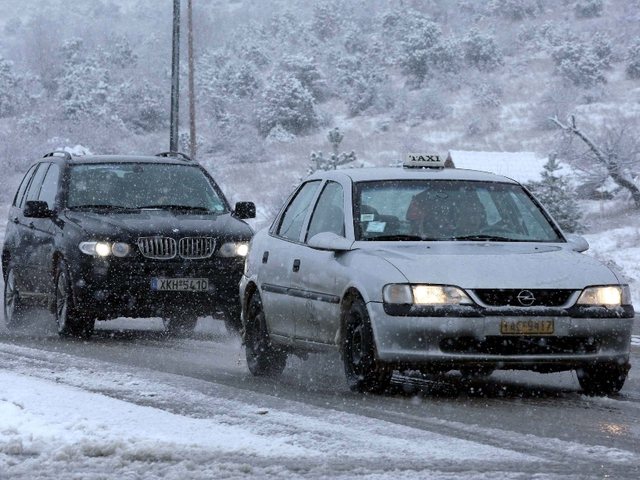
Daily life in extreme cold
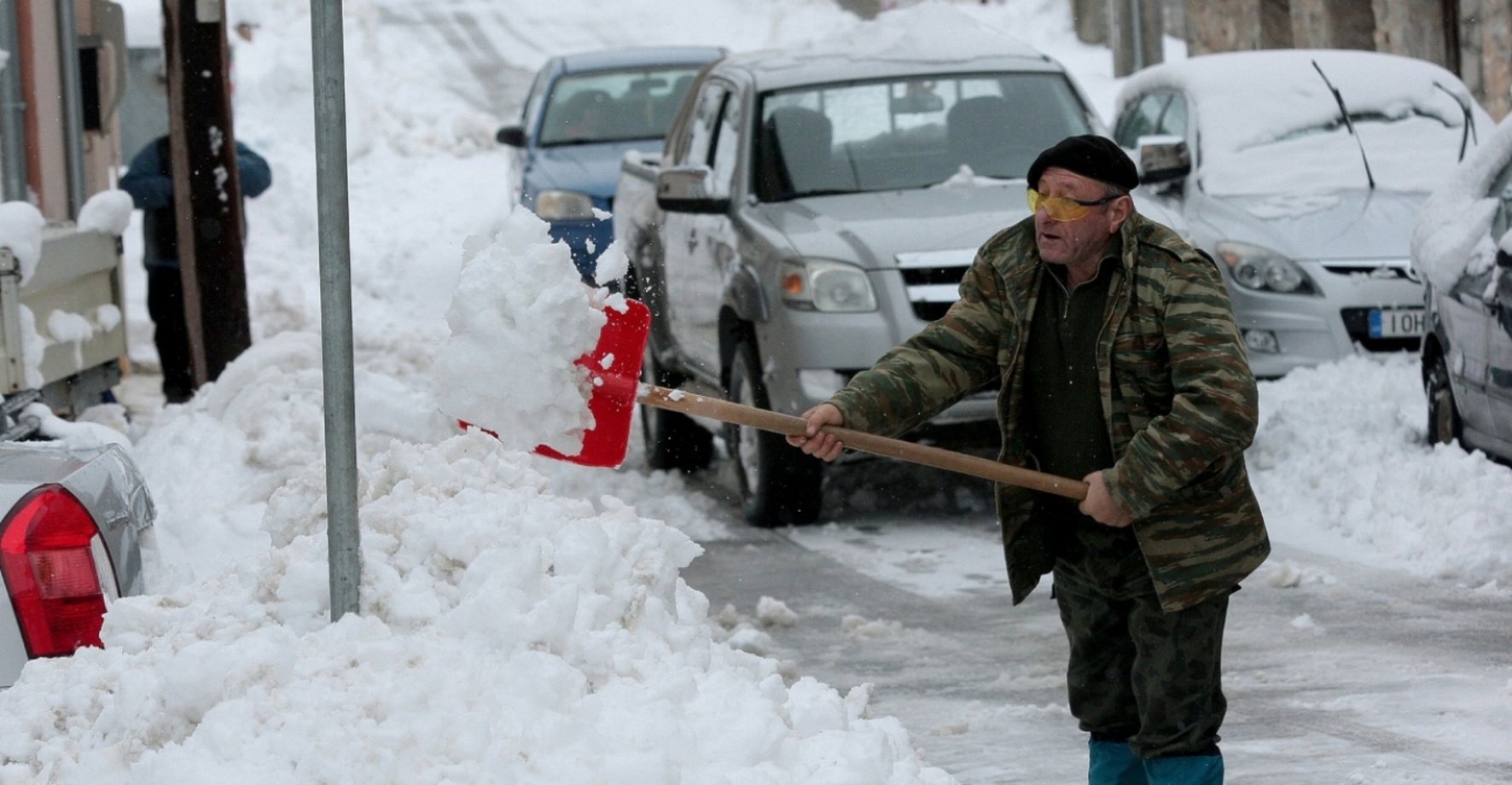
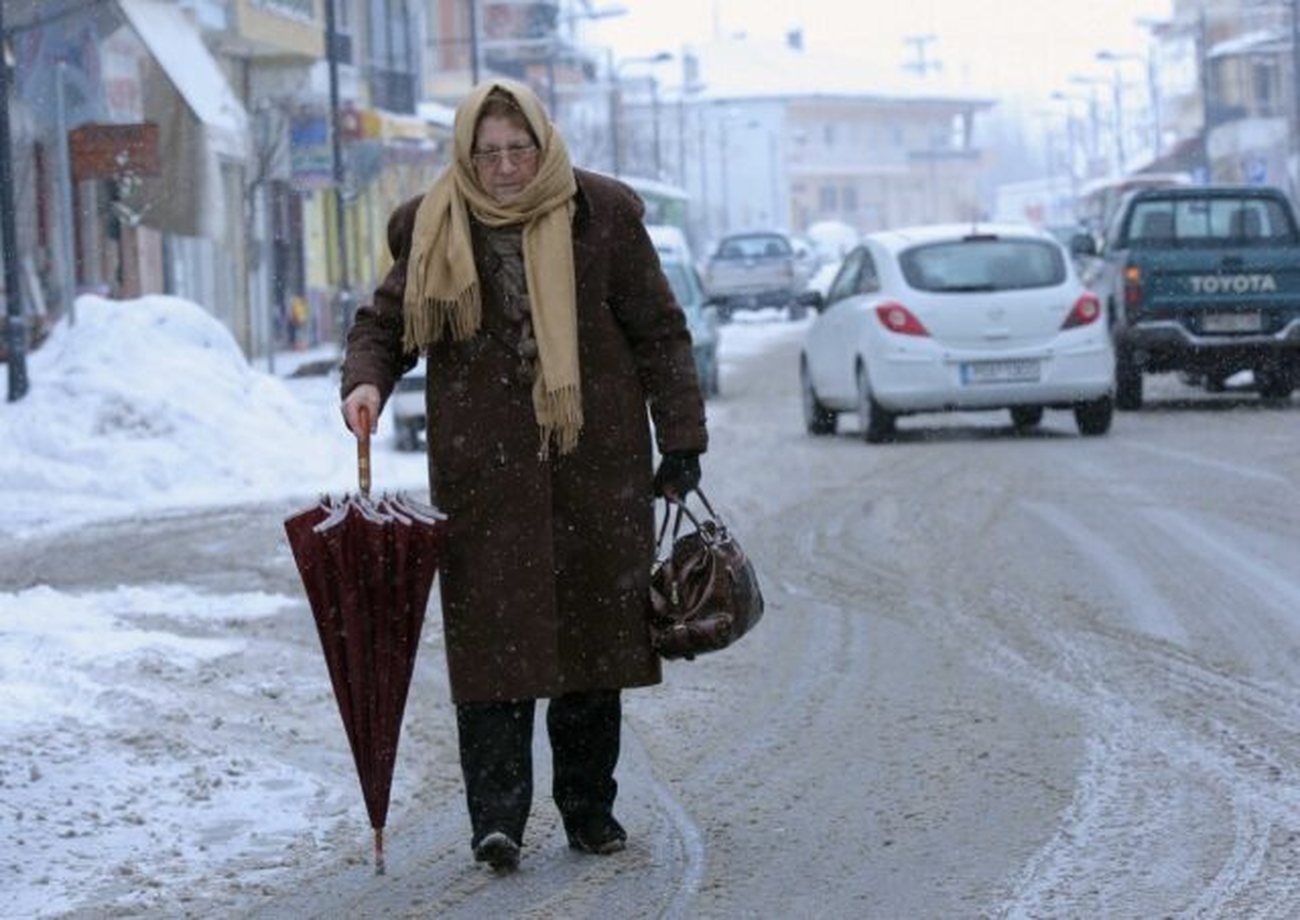
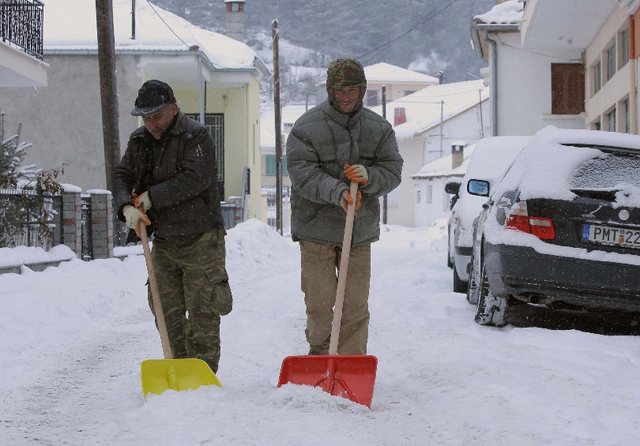
The 2,157 residents of Kato Nevrokopi are used to long winters. The cold starts in October and lasts until April, sometimes even May. Snowfall can reach up to two meters. According to residents, the biggest problem is not the rain or snow, but the high heating bills.
The potato that made Nevrokopi famous
The harsh climate has also brought them something good. Kato Nevrokopi's potatoes are renowned throughout Greece and Europe, certified as a PGI (Protected Designation of Origin) product since 2002.
The long snow does not allow for double plantings, which gives the soil time to regenerate. On the other hand, the cold makes the potatoes stronger, richer in starch and with a more distinctive taste. This is why the Spunta, Agria and Lizeta varieties have become symbols of the area.