Is this police force professional and capable of handling violen...
/ 2026-10-16 18:54:07Focus


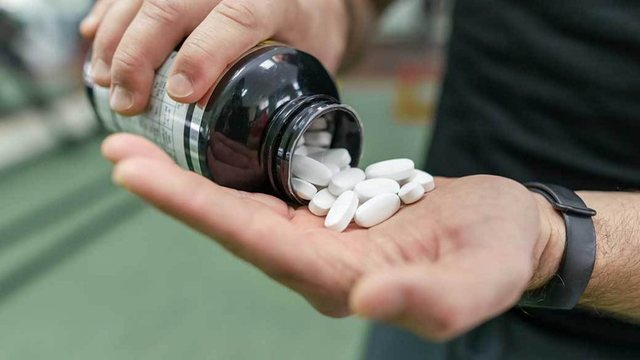
Vitamin, mineral and multivitamin supplements are unlikely to protect you from cancer, heart disease or overall mortality, the US Preventive Services Task Force said in updated guidelines published in the journal JAMA.
Since the last recommendation in 2014, the task force reviewed 84 studies testing the vitamins in almost 700,000 people, including 52 new studies on the topic.
However, the conclusion remained the same as in 2014: If you are a healthy, non-pregnant adult, there is "not enough evidence" of any life-extending benefit in taking vitamin E, vitamin D, calcium, vitamin A , beta carotene, vitamin. B3, vitamin B6, vitamin C and selenium.
However, there is insufficient evidence to recommend against the use of beta-carotene supplements, which the body converts to vitamin A, to prevent cardiovascular disease or cancer "because of a potential risk of increased mortality, cardiovascular mortality, and cancer." of the lungs", said the task force.
Nor should people take vitamin E "because it probably has no net benefit in reducing mortality, cardiovascular disease, or cancer," the task force said.
"Lifestyle counseling to prevent chronic disease in patients should continue to focus on evidence-based approaches, including balanced diets high in fruits and vegetables and physical activity," said Dr. Jeffrey Linder, chief of general internal medicine at Northwestern University's Feinberg School, in an accompanying editorial.
Take, for example, the Mediterranean diet. Eating the Mediterranean way, which focuses on a plant-based diet, physical activity and social engagement, can reduce the risk of high cholesterol, dementia, memory loss, depression and breast cancer, multiple studies have found.
Foods from the sunny Mediterranean region have also been linked to weight loss, stronger bones, a healthier heart and longer life.
Another evidence-based intervention: the DASH diet, which stands for "dietary approaches to stop hypertension." Diet successfully reduces high blood pressure, studies have shown. Both the Mediterranean and DASH diets avoid processed foods and focus on fruits, vegetables, beans, lentils, whole grains, nuts and seeds.
"Instead of focusing money, time, and attention on supplements, it would be better to focus on lower-risk, higher-benefit activities ... eating a healthy diet, exercising, maintaining a healthy weight." healthy and avoiding smoking," the experts write.