Berisha: Altin "Troplini" Dumani amnestied electoral crimes, SKA...
/ 2026-10-19 11:44:20Focus


A treatment that could once have been considered science fiction has managed to reverse aggressive and previously incurable forms of blood cancer, according to the BBC.
British doctors say a new therapy, which uses ultra-precise DNA editing, is producing remarkable results in children and adults with severe leukemia.
The treatment consists of precisely modifying the DNA of white blood cells, to transform them into a "living medicine" that seeks out and destroys cancer cells.
The first case in the world – Alyssa Tapley
The first patient to receive this innovative treatment was Alyssa Tapley, then 13 years old, who suffered from T-cell acute lymphoblastic leukaemia, an aggressive form of blood cancer that had not responded to either chemotherapy or a bone marrow transplant.
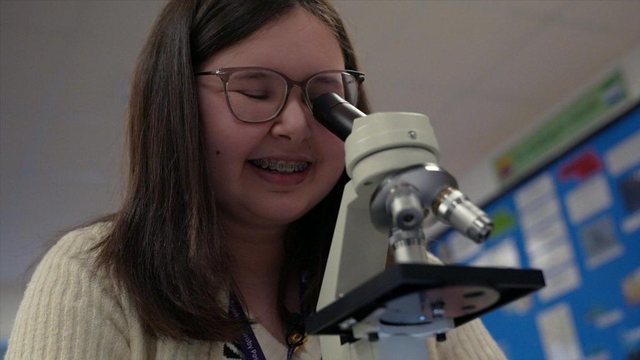
Alyssa spent four months in hospital, with her entire immune system rebuilt from scratch. Today, three years later, her cancer is completely undetectable. She is 16, in good health, doing A-levels and says she wants to become a scientist to study blood cancer.
Game-changing results
After Alyssa, scientists at University College London (UCL) and Great Ormond Street Hospital have treated eight other children and two adults with the same type of cancer.
According to data to date, 64% of patients have entered remission, a result that is considered extraordinary considering that all patients had failed previous treatments.
Without this therapy, doctors say the only alternative would be pain relief, as the cases were considered hopeless.
What is “base editing”?
The technology used is called base editing – a much more precise technique than CRISPR, which allows the change of just one "letter" in the genetic code.
DNA is made up of four bases: A, C, G, and T.
Base editing allows scientists to change one base to another with molecular precision, reprogramming the cell's biological instructions.
This technology was used to "program" healthy T cells to target patients' diseased T cells - a difficult process, as if the cells are not modified properly, they can attack each other.
New hope for blood cancer patients
Experts consider this development a major step forward in genetic medicine and the treatment of aggressive cancers, especially those that do not respond to traditional therapies.
Researchers emphasize that there is still much to discover and that the treatment is in the experimental stage, but the results so far could pave the way for a new era of personalized and much more precise anti-cancer therapies.