Berisha: Altin "Troplini" Dumani amnestied electoral crimes, SKA...
/ 2026-10-19 11:44:20Focus


Australia is becoming one of the first countries in the world to impose a national ban on social media use by children under 16, but experts and teenagers themselves say the policy has serious problems even before it comes into effect.
The new law, which forces platforms to verify the age of users and requires them to take “reasonable steps” to block minors, has been welcomed by many parents concerned about the impact of social media on children. However, early tests show that the verification measures are easy to circumvent.
Teenagers find quick ways to get past the control
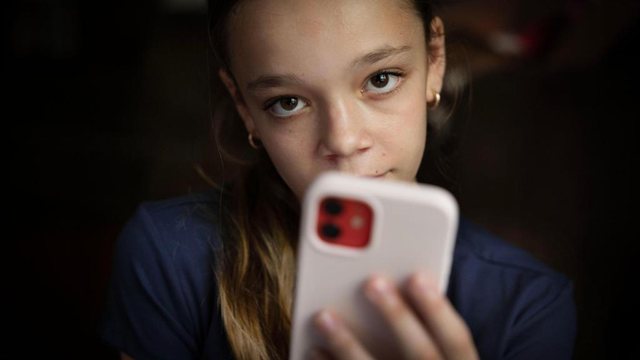
According to the BBC, a 13-year-old named Isobel, like many others, has gone viral after showing how she passed Snapchat's age verification in a matter of minutes, using a photo of her mother to pass the facial recognition test.
“I took a picture of my mom and put it in front of the camera, and she just let me through. She said, ‘Thank you for verifying your age,’” Isobel claims. “I heard someone used Beyoncé’s face too,” she adds.
“I wrote to her,” the teenager says, gesturing to her mother, “‘Hey Mom, I got past the social media ban,’ and she said, ‘Oh, you monkey!’”
According to experts, these systems often make mistakes, especially with users who are only two or three years away from the target age.
In addition to parents' photos, teens have found other ways to avoid the ban: using VPNs, registering with parents' emails, or switching to lesser-known platforms that are not mentioned in the law. A third of parents also admit that they can help their children bypass these controls.
Experts warn: Prohibition could do more harm than good
While the Australian government presents the ban as a measure to protect children from harmful content such as violence, pornography, misinformation and online bullying, researchers and child protection organizations say the approach is overly simplistic.
Many warn that after the ban, children could be diverted to more dangerous, less moderated and more anonymous sites. Platforms like YouTube and TikTok can be used without accounts, exposing children to unfiltered content. Meanwhile, chat rooms in online games (which are exempt from the law) are considered by police to be high-risk areas for radicalization.
Meta, Snapchat, and other companies have openly expressed skepticism about the policy's implementation, warning that age verification is technically insecure and easily manipulated. Moreover, the fines imposed (up to $49.5 million) are considered negligible for billionaire corporations.
Two Australian teenagers have already filed a lawsuit in the High Court calling the law “Orwellian” and “unconstitutional.” Alphabet, the parent company of Google and YouTube, is also reportedly preparing a legal challenge.
Despite the criticism, Prime Minister Anthony Albanese's government insists the policy aims to end the harm caused by algorithms and digital addiction on children. "This is an attempt to save a generation," Communications Minister Anika Wells said, acknowledging that the process would be "messy" at first.
The government says a new legal package, which will impose a legal obligation on companies to prevent "foreseeable harm", is already in preparation.
Will it work? Experts are divided. Some say that if the law reduces the number of children on social networks by 70-80%, then it is considered successful. Others believe that the effect will be minimal and children will move to more dangerous platforms, making the situation worse.
Meanwhile, many parents simply want to have legal backing to say: “It’s illegal, I don’t allow it.”
However, one thing is clear: the battle between the government, tech platforms, and teenagers themselves has only just begun, and the outcome remains uncertain.