"We are drowning..." - From Lisbon, Milan to Tirana, "The Guardi...
/ 2026-10-18 23:13:32Focus


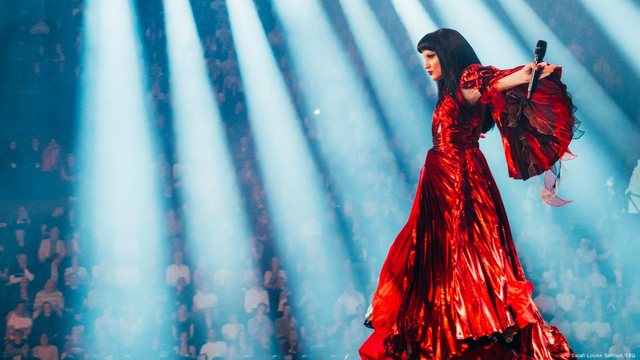
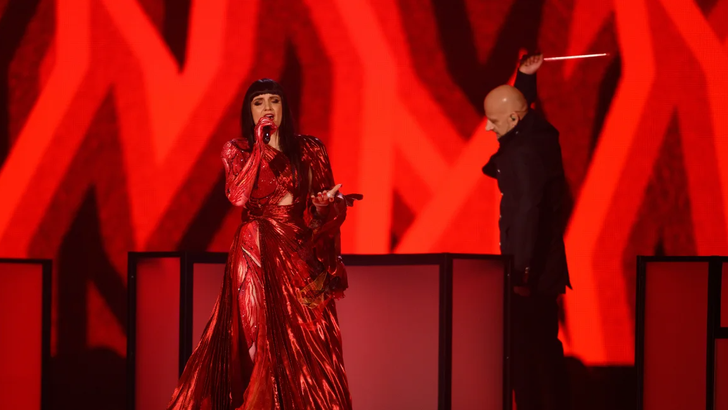
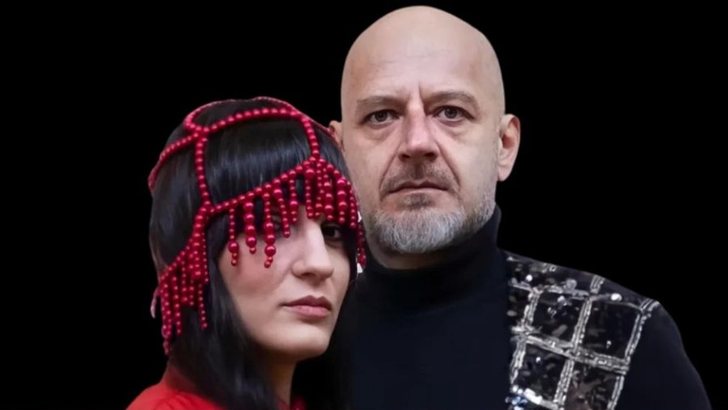
Beatriçe Gjergji and Kolë Laca, of the group "Shkodra Elektronike" represent Albania with the song "Zjerm", which has a high chance of achieving a successful result.
In the lobby of a hotel in Basel, Switzerland, journalists covering the European song festival "Eurovision Song Contest" line up to interview the singers who have managed to climb the stage of the grand final on May 17.
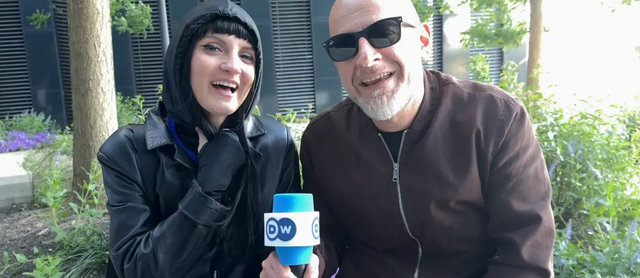
To meet and interview Beatriçe Gjergji and Kolë Lacë, the duo of "Shkodra Elektronike", one has to wait a long time. Interest in them is great. Journalists from all over the world want to know everything about this year's representatives of Albania, from the lyrics of the song, the clothing, the stage movements, the ambitions, the expectations. The questions are endless and their fatigue is visible, yet they find time to give honest and truthful answers to everyone interested, with a smile that never leaves their portrait.
The conception of "Electronic Shkodra"
Although both born in Shkodra and early immigrants to Italy, Beatrice and Kola did not know each other before, but were found by chance on social networks, while each had their own musical group. "We found Kola on the Internet. We are a symbol of the time we live in," Beatrice Gjergji tells DW. The desire to recreate a cover of the Shkodra song "Turtulleshë" made her search on YouTube, where she found an earlier cover that Kola had sung with his group, before proposing the song to her Italian friends.
"It was a very beautiful cover and something completely new, unheard of before and I liked it a lot. I was excited." Then curiosity made her want to know more about Kola and she listened to his interviews, where she learned that he was also from Shkodra, an immigrant in the '90s, and found many similarities with her life story. Then they communicated on Facebook and after following each other's musical activity from afar, they met and started talking about collaboration, until in 2019 they created "Shkodra Elektronike".
The culmination of their artistic collaboration is writing the song for the Albanian Radio-Television End-of-Year Festival, the victory of which brought them to the gigantic Eurovision stage.
"Good people and nameless people dance in the soul" – is one of the verses of "Zjerm".
"Kur kam nisur të shkruaj këngën, kam menduar të shkruaj për njerëzit e mirë, njerëz të cilët kur bëhen me nerva, nuk reagojnë keq. E kam shkruar për njerëzit me empati, dhe unë kam pasur fatin të njoh shumë prej tyre, që kanë lënë shenjë të madhe tek unë dhe unë kam mësuar shumë prej tyre” – thotë Beatriçe.
"Emigrantë të viteve ‘90”
Kolë Laca ishte 20 vjeç kur vendosi të studiojë në Itali. Në Shkodër kishte studiuar për piano në licé por nuk ishte ndjerë asnjëherë i lirë për të bërë muzikën që donte. "Mbarova studimet dhe aty e mbylla me muzikën, sepse po flasim për një shkollë në komunizëm, ku askush nuk ishte i lirë të bënte çfarë të donte” – tregon Kola për DW. Mirëpo sistemi ra dhe gjithsesi Kola nuk e gjente veten në Shqipëri. Përmes një burse të shkollës së Jezuitëve në Shkodër vendosi që në vitin 1992 të studiojë drejtësi në Padova të Italisë, degë të cilën më pas e ndërroi me shkencat politike, aty ku dhe u diplomua.
Por në një treg të lirë dhe të zhvilluar muzikor si Italia, iu rikthye muzikës por këtë herë jo asaj klasike por muzikës underground. "Aty ia nisa nga zero edhe nga muzika. Mbaj mend që gjëja e parë që bëra kur mbërrita në Padova ishte blerja e një gazete ku njoftohej për aktivitetet muzikore që do të kishte në muajt në vijim dhe pashë që do të vinin grupi ‘Aerosmith'. Shkova për t'i parë dhe aty kuptova psikologjikisht dhe fizikisht ndryshimin e madh me Shqipërinë e atyre viteve” – thotë Kola.
Për vështirësitë e fillimit nuk ndalet të flasë gjatë, pasi në 33 vite jetë në Itali, thotë se ka pasur kohë mjafueshëm që të harrojë gjithçka.
Ndërsa Beatriçe ishte vetëm 6 vjeç kur familja e saj emigroi në Itali, pas një eksperiencë tjetër emigrimi që kishin pasur më herët në Gjermani. "Italia nuk ka qenë e lehtë, sidomos për prindërit e mi. Por në sytë e tyre unë nuk kam parë kurrë frikën, por vetëm dinjitetin. Prandaj dhe jeta ime ka qenë me ngjyra dhe nuk ka qenë kurrë e mërzitshme” – thotë Beatriçe, e cila ndihet me fat që në jetën e saj kanë mundur të ndërthuren bukur dy botë të ndryshme, ajo shqiptare dhe italiane.
"Muzikantë klasi”
"E dëgjove Shqipërinë? Çfarë klasi që kanë. E meritojnë të jenë të paktën në treshen fituese”.
Kjo është fjalia që një gazetar ia thotë kolegut ngjitur, pasi "Shkodra Elektronike” përmbyll provën e fundit skenike para finales së madhe të datës 17 maj. Nga organizatorët, Shqipëria është përzgjedhur që të jetë kënga e fundit e listuar në garë, me numrin 26.
"It is an unusual decision that we have left San Marino penultimate, and Albania last. Because San Marino is fun, a rhythmic song where everyone dances. But on the other hand, they wanted to close it with a choice that is truly classy and represents music. And this is Albania's song. There is a lot of talent, intelligence, and it is a very beautiful song. We could have left Albania penultimate and San Marino last, but it is more right to close this festival with a classy act" - said a few hours before the final Christer Björkman, one of the longest-serving producers of the Eurovision Song Contest.
Experts and festival fans have long debated the importance of the order of the songs on the final night, with many arguing that singers who perform in the second half of the competition do not have a better chance of winning. However, in recent years, some of the winners have been listed at the end of the competition, such as Italy with Maneski in 24th place (2021) or Ukraine with Jamala in 21st place in 2016./ DW