"We are drowning..." - From Lisbon, Milan to Tirana, "The Guardi...
/ 2026-10-18 23:13:32Focus


After the horrific attack, which marked the bloodiest day in the 75-year history of the state of Israel, Mr. Netanyahu has repeatedly avoided responsibility. He has blamed others and critics say this shows he is a leader more concerned with his own political survival than leading and comforting a traumatized people.
"Netanyahu is waging a personal battle to survive, and this takes precedence over Israel's war against Hamas," said journalist and biographer of Mr. Netanyahu, Ashnel Pfeffer. "As part of this struggle, he is willing to harm those who are currently leading Israel's military and intelligence services."
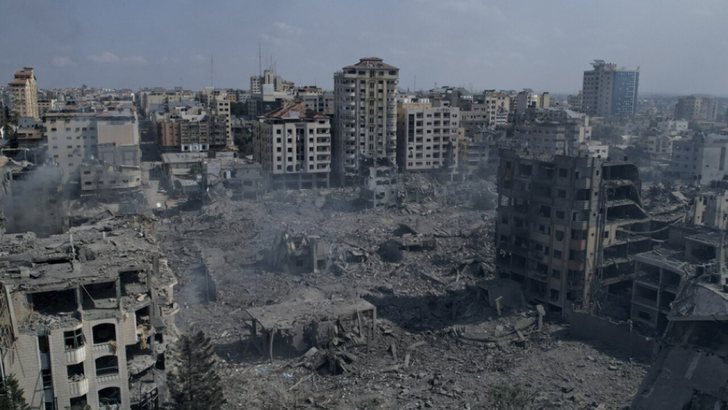
When hundreds of armed Hamas militants breached Israel's security system and attacked Israeli settlements, Israel's security forces were caught by surprise. About 1,400 people were killed before the soldiers arrived on the scene. The war has left more than 9,000 Palestinians dead, according to Palestinian health officials, and devastated many parts of Gaza.
The attack also undermined widespread belief among the military, intelligence services and political leaders that Hamas was not interested in a new conflict and that Israel's military might could deter the militant group.
Israel's top security leaders, including the chief of staff, the defense minister and the head of the domestic intelligence agency known as the Shin Bet, took responsibility for the blunder days after the attack.
However, Mr Netanyahu has not taken responsibility for the mistakes that led to the bloody attack, despite serving as prime minister for 13 of the past 14 years. He says there is time for investigations - after the war.
"This failure will be investigated. Everyone will have to answer, as will I," declared Mr. Netanyahu two weeks after the attack. But he has dismissed the criticism and resisted calls for his resignation.
"The only thing I intend to remove is Hamas. We will throw it in the dustbin of history," he told reporters last week. "This is my responsibility," he added.
Mr. Netanyahu, a polarizing figure in Israel, is also being criticized for the way he is responding to the crisis.
He is accused of failing to unify the country through any hopeful speech or similar gesture. Many Israelis have taken as an example the attitude of US President Joe Biden, who visited Israel in the first days after the attack, saying that he fulfilled that role better.
Mr. Netanyahu has been criticized for late visiting the families of more than 240 hostages believed to have been kidnapped by Hamas, most of whom are liberals who do not vote for Mr. Netanyahu. The economy is spiraling out of control and Israelis are complaining about the government's slow response to help the 250,000 displaced Israelis.
But the biggest criticism came over the weekend from Benny Gantz, the coalition partner, after Mr Netanyahu blamed security chiefs on social media for failing to warn him of Hamas' intentions and advise him that the militant group had been prevented.
"During war, leaders must act responsibly," Mr Gantz said in a post on the X platform.
Prime Minister Netanyahu retracted the statement and later apologized.
But critics say the damage was done. Researcher Idit Shafran Gittleman at the Institute for National Security Studies said Prime Minister Netanyahu's social media comment came at a time when confidence in Israel's security services is at an all-time low.
"It's damaging to security sector leaders and it also damages the confidence of soldiers on the ground," who see their prime minister focused on other things than victory.
Prime Minister Netanyahu's clashes with security sector leaders are nothing new and date back to when tensions over Israel's contested justice reform began.
Mr. Netanyahu's allies and his base say he is being unfairly criticized by the same media and public figures who have long opposed him.
"Either we have to wait for an investigation that will determine the blame and focus on the victory over Hamas or start blaming each other, but Netanyahu also has the right to answer," wrote journalist Shimon Riklin, who is known for his closeness to Mr. Netanyahu.
Polls show support for Netanyahu's Likud political party has fallen, with the public viewing him as far less fit to govern than his main opponent, Mr Gantz. If elections were held today, Mr. Netanyahu's coalition would not have nearly the support it needs to govern.
Former military general Noam Tibon, who had criticized judicial reform and saved his son and family from a Hamas attack, said the country needed unity to win the war, but accused Mr Netanyahu of sowing division.
"Every Israeli should ask themselves: 'Do you believe that Netanyahu can lead Israel to victory in this war?'