Is this police force professional and capable of handling violen...
/ 2026-10-16 18:54:07Focus


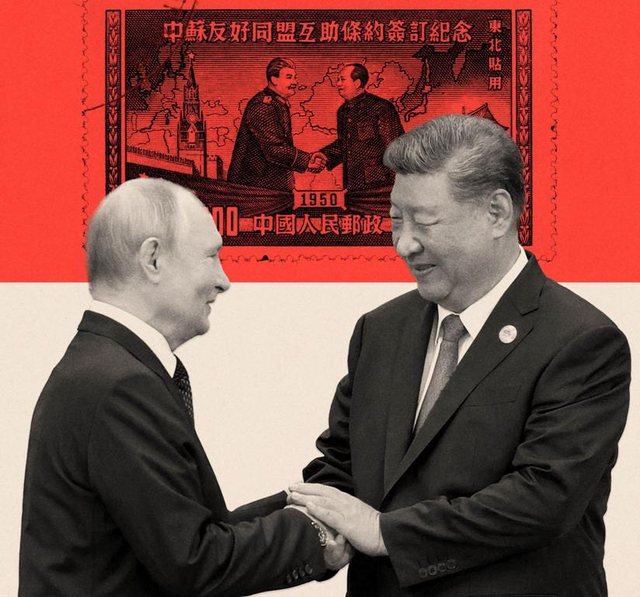
The relationship between China and Russia is often described as a "friendship without borders", but according to an analysis published today by the BBC, this is far from the truth.
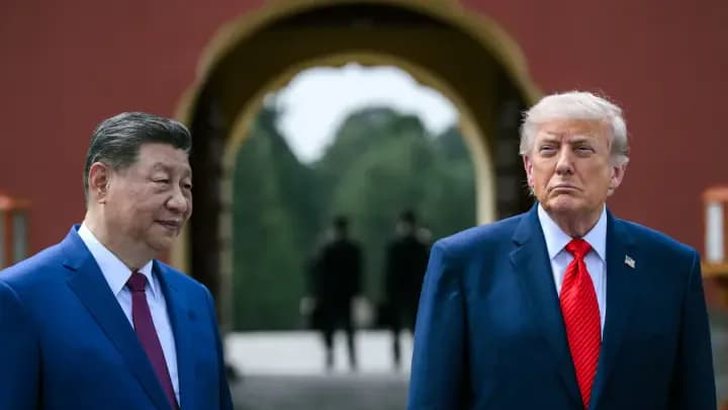
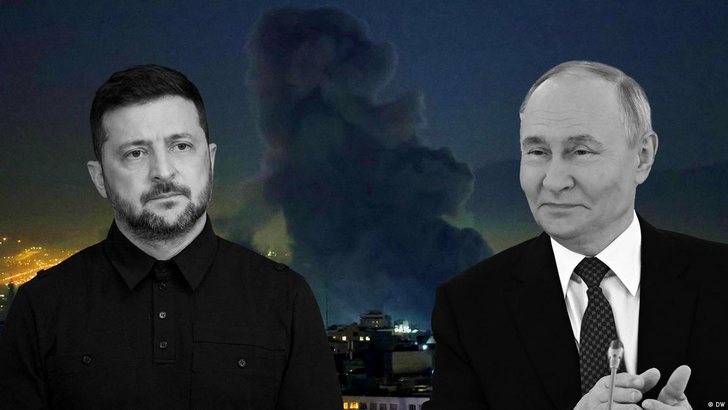
The BBC writes that in essence this relationship is held more by cold strategic interests than by any romantic closeness between the two countries. Xi Jinping and Vladimir Putin present themselves as close friends and their meetings often give symbolic signals of strength and stability. But behind this facade, the partnership between them is built on very concrete calculations: trade, energy, a common border, opposition to the West and a mutual need for support.
In this report, the real weight is clearly tilted towards China. Beijing is Russia's largest trading partner, while for China Russia accounts for only a small share of its global trade. After years of Western sanctions and especially after the invasion of Ukraine in 2022, Moscow has become increasingly dependent on China for technology, for industrial components and for markets where it can sell its goods and energy. In fact, according to recent reports, most of the sanctioned technology that Russia manages to secure for the war comes from China. This has put Russia in a weaker position, even though Moscow tries not to appear as a submissive partner.
However, this does not mean that China treats Russia as a vassal. Beijing knows very well that Russia, even weakened, remains a proud, nuclear power and vulnerable to any attempt to push it too hard. That is why China behaves with restraint. It takes advantage of Russian weakness, but without openly humiliating Moscow. Even when Xi has called for restraint in Russian steps, as in the case of nuclear weapons, the Kremlin has shown that it does not easily accept pressure from anyone.
On the other hand, Russia is not just a burden for China. It brings Beijing several very important benefits. First, it provides energy: oil and gas in large quantities, at a time when energy security has become a vital issue for China. Projects like the “Power of Siberia 2” gas pipeline could deepen this relationship even further. Second, Russia brings China military experience and technology in specific areas. And third, the Russian war in Ukraine gives Beijing an opportunity to see how a large modern conflict works, which is also important for its calculations about Taiwan.
What makes this relationship strong is the fact that it is not a formal alliance. China and Russia are not forced to blindly follow each other. It is precisely this strategic flexibility that gives the relationship stability. Whenever their interests do not fully align, each retains room for maneuver. For Beijing, this is especially important, because China will not close the door on the US and the West just for the sake of Russia. Unlike Moscow, China remains more pragmatic and cautious. It opposes Western hegemony, but without burning all its bridges.
The two countries are also connected by a long border, over 4,300 kilometers, which was once a source of insecurity and has now become a factor of stability. They are also connected by the structure of their economies: Russia exports raw materials and energy, while China is a large industrial market that absorbs them. Above all, they are united by the fact that both oppose a world order dominated by the US. Unlike the West, neither judges the other on issues such as human rights, opposition or internal repression. This creates a kind of political symbiosis that provides comfort to both sides.
As for the “human side,” the picture is more mixed. At the leadership level, Xi and Putin have been careful to present their relationship as an extraordinary friendship. Bureaucratic contacts have also increased significantly. But it is not clear how close the societies actually feel to each other. Some experts say that Russians, given the choice, would still prefer the West to live or invest. Others note that sanctions, the visa-free regime, and the growing use of Chinese technology and products are bringing the two societies closer together than before.
In the end, the bottom line is this: China and Russia are not held together because they deeply trust each other, but because they need each other. The relationship is uneven, with China on top and Russia more dependent, but it is still too important for both sides to fail. And for now, neither has a better alternative.