Is this police force professional and capable of handling violen...
/ 2026-10-16 18:54:07Focus


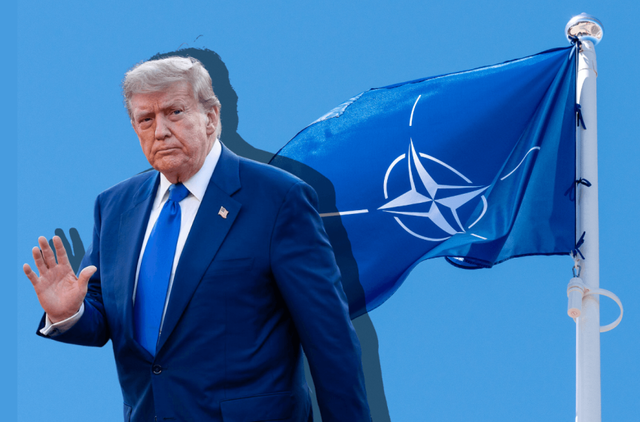
As the countdown to the NATO summit in Turkey begins, the alliance is facing perhaps the greatest challenge in its history — what a possible future would look like without the United States, or without American security guarantees. In recent weeks, the Trump administration has taken a series of steps that have been widely interpreted in European capitals as retaliation for allies’ reluctance to more strongly support the U.S. position in the Iran war. The U.S. has announced the withdrawal of 5,000 troops from Germany, has halted the deployment of 4,000 troops to Poland, and is even said to be considering expelling Spain from the alliance.
Europe was already concerned about Washington's expanding strategic objectives. Increasingly, NATO allies are realizing that they can no longer rely on the United States for their security and will have to shoulder much greater responsibilities themselves.
NATO 3.0
Donald Trump's narrow view of the value of alliances has long been known. Now his vision for a new NATO is emerging. At a meeting of NATO defense ministers in February, the US Undersecretary of Defense for Defense Policy, Elbridge Colby, presented the idea of "NATO 3.0." This would see the Europeans take a much larger role in conventional deterrence. Meanwhile, the US would prioritize strategic competition with China and support European security more selectively and from a greater distance.
At the same time, the White House is said to have pushed to cancel decades of NATO mission expansion and to keep Ukraine and NATO's four Indo-Pacific partners (Japan, South Korea, Australia, and New Zealand) out of the annual summit in July.
This reflects a broader transformation in US strategic thinking. NATO is no longer seen as a political community and a pillar of the liberal international order. Increasingly, it is seen as a narrower military agreement, the value of which depends on whether the Europeans can shoulder more of the burden themselves and remain aligned with Trump’s agenda.
In this new paradigm, the United States is not simply asking European allies to spend more. It is telling Europe to get by with less American equipment, looser political reach, and fewer guarantees.
Plus, there is a deeper problem: the erosion of trust within the alliance and the assumptions that have underpinned NATO’s deterrence posture for decades. The result is a “Europeanized NATO” that emerges from necessity rather than purpose. What such an alliance would actually look like remains unclear.
Focus on collective defense
Një gjë është e sigurt: asnjë vend nuk do t’i zëvendësojë Shtetet e Bashkuara si udhëheqës të aleancës. Asnjë fuqi evropiane nuk zotëron e vetme aftësitë, burimet ose legjitimitetin politik për ta përmbushur këtë rol. Në vend të kësaj, lidershipi ka të ngjarë të vijë nga shtetet më të afta që veprojnë së bashku. Ky trend është tashmë i dukshëm në "momentin minilateral të Evropës". Grupi E3 (Britania, Franca dhe Gjermania) dhe koalicioni më i ri E5 (me Italinë dhe Poloninë), për shembull, kanë filluar të përshpejtojnë koordinimin midis fuqive kryesore ushtarake të Evropës.
Këto marrëveshje nuk janë alternativa ndaj NATO-s. Përkundrazi, ato mund të bëhen mekanizmat përmes të cilave organizohet një fokus më i fortë evropian brenda NATO-s. Por këtu fillojnë pasiguritë. Një NATO më e evropianizuar është larg të dhënit garanci se mundet të jetë një NATO më kohezive. Aleanca ka kohë që përballet me kakofoninë strategjike të 32 anëtarëve të saj, të nxitur nga perceptime të ndryshme për kërcënimet, prioritetet rajonale dhe kulturat strategjike.Ndërsa lidershipi amerikan tërhiqet, këto dallime mund të bëhen edhe më të mprehta dhe më të vështira për t'u menaxhuar. Një aleancë më e evropianizuar, të paktën në fillim, ka të ngjarë ta ngushtojë fokusin e saj te mbrojtja kolektive dhe parandalimi për t'iu kundërvënë militarizmit të Rusisë dhe luftës së saj të vazhdueshme kundër Ukrainës.
Axhenda që u zgjerua pas Luftës së Ftohtë për të përfshirë menaxhimin e krizave dhe bashkëpunimin për sigurinë mund të bëhet gjithnjë e më dytësore. Kjo përfshinte përpjekjet për të adresuar sfidat globale të sigurisë (të tilla si mbështetja e ndërtimit të kapaciteteve në vendet e prekura nga konflikti i dhunshëm), operacionet kundër terrorizmit dhe forcimin e sigurisë energjetike dhe detare.
Megjithatë, shumë aleatë të NATO-s, veçanërisht ata në krahun jugor të NATO-s, vazhdojnë të argumentojnë se menaxhimi i krizave dhe siguria bashkëpunuese duhet të mbeten funksione thelbësore të aleancës. Për vendet që përballen me paqëndrueshmëri në të gjithë Afrikën e Veriut dhe Lindjen e Mesme, presionet e migracionit, terrorizmin dhe pasigurinë detare, NATO-ja nuk duhet të shqetësohet vetëm për Rusinë. Partneritetet bashkëpunuese të sigurisë të NATO-s në Indo-Paqësor janë gjithashtu gjithnjë e më të rëndësishme, edhe pse ato nuk mbështeten më hapur nga administrata amerikane. Bashkëpunimi me Japoninë, Korenë e Jugut, Australinë dhe Zelandën e Re (i njohur si IP4) është shfaqur si ndoshta kuadri më premtues i sigurisë bashkëpunuese i NATO-s, pikërisht sepse forcon misionin kryesor të parandalimit të aleancës. Ndryshe nga shumë nisma të mëparshme partneriteti, kjo është e lidhur drejtpërdrejt me bashkëpunimin mbrojtës-industrial, qëndrueshmërinë teknologjike, sigurinë e zinxhirëve të furnizimit për materiale kritike për mbrojtjen dhe sinjalizimin strategjik.
Realiteti i ri
The “new NATO” is by no means a settled agreement. It is an alliance caught between competing visions, deeply uncertain political commitments from previous supporters, and unresolved strategic issues. Europe is increasingly talking about greater responsibility for its own security, but without a clear consensus on what greater strategic autonomy ultimately means. The central question facing NATO today is not whether the alliance will survive. It almost certainly will in some form, for the coercive power of bureaucracies should never be underestimated. The real question is what kind of alliance it will be, and how credible it will remain. Will it be a narrower military agreement focused on continental defense? Or a broader political-security community capable of managing the full spectrum of crises affecting Europe? ( The Conversation )