Is this police force professional and capable of handling violen...
/ 2026-10-16 18:54:07Focus


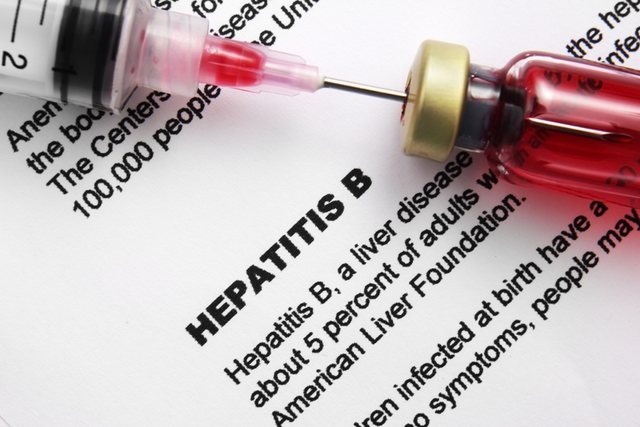
Albania is facing during this decade the silent epidemic of hepatitis B, but there are no national studies that show the exact figures and the prevalence in the population of being affected by B and C viral infections.
The most recent study carried out by the Institute of Public Health dates back to 2005 and was carried out with a fund of 20 thousand euros donated by the counterpart institution in Italy, (Istituto Superiore di Sanità) ISS Rome.
Confidential sources told Gazetasi.al that since 2005, the studies carried out are partial and do not show a clear overview of the epidemiological situation in the country.
Thus, data from 11 years ago, in 2013, showed that 250,000 people in Albania are infected with the hepatitis B virus and another 30,000 are infected with the hepatitis C virus.
But public health experts say that after more than a decade the numbers have increased significantly.
But why aren't genuine scientific studies conducted by the Institute of Public Health?
According to confidential sources, the change in conditions was caused by donors who no longer cooperate with projects with institutions, such as ISHP, but with associations that work in these fields.
This, according to the sources, has resulted in abuses by well-known names of the institution who have created fictitious associations to steal donor funds, producing partial studies and not national studies that orient health policies towards reducing cases and preventing spread of infection.
Increasing hepatitis, low awareness
In the time frame 2005-2024, on the world hepatitis day on July 28, ISHP has declared partial figures of new cases of hepatitis B and C in Albania.
In 2013, ISHP reported that the prevalence of hepatitis B and C is very high, 1 in ten people suffer from these two hepatitises.
But specialist doctors of the gastrohepatology service are concerned about a low level of awareness.
"Awareness against hepatitis is low. The number of people who die from hepatitis is much higher than those who die from tumors or HIV/AIDS, but people still don't take it seriously."
Medical personnel at risk are not vaccinated
Referring to the data of 2013, a category at risk from hepatitis B and C are medical personnel, where 11 years ago, the figures showed almost 55% of medical personnel affected by Hepatitis B.
Nurses and paramedics have admitted that they have had accidents with punctures (syringes or vigons) or cuts with scalpels.
As for the age groups, the oldest nurses have the highest prevalence, this according to specialists is also due to the fact that the mass vaccination in the population against Hepatitis B was done after 1996.
"The age group of 40-60 years self-declares HVB (Hepatitis B) about 6.5%. The age group 20-30 and 50-60 results in 4%", was declared publicly by the head of ISHP. Even the sanitary facilities are considered to have a high level of morbidity, if you refer to the age.
The latter have declared that they have been vaccinated for the disease to the extent of 43%", says the partial study of the PIH in 2013.
A category that, even from the analyzes carried out, has emerged with a high prevalence of Hepatitis B, are prisoners, but the lack of national studies has meant that no institution has accurate data on the prevalence, incidence and new cases every year in categories vulnerable to hepatitis B and C./ GazetaSi