"The fate of the homeland is in our hands" - An appeal by Ismail...
/ 2026-10-18 16:09:54Focus


Anar Huseynov*
In European football, where attention is often focused on clubs with global reputations and vast financial resources, Azerbaijan’s Qarabag FK has quietly established itself as a serious and competitive presence. Through continuity, organization and resilience, the club has become one of the most prominent success stories to come from outside the traditional centers of European football, attracting increasing interest from football fans in Albania and beyond.
Founded in 1951 in the city of Agdam, in Karabakh, Qarabag FK has a unique historical background. Following the conflict in the former Nagorno-Karabakh in the early 1990s, the club was forced to leave its home city and relocate to Baku. Despite these challenges, Qarabag gradually rebuilt itself, developing into the dominant force in Azerbaijani football and a regular participant in European competitions.
The club operates on an estimated annual budget of €15–20 million, a figure that places it significantly below most of its Champions League opponents. Rather than relying on star names, Qarabağ FK has focused on continuity and structure, benefiting from long-term stability under head coach Gurban Gurbanov. Tactical discipline, collective responsibility, and careful team development have become defining traits of the team.
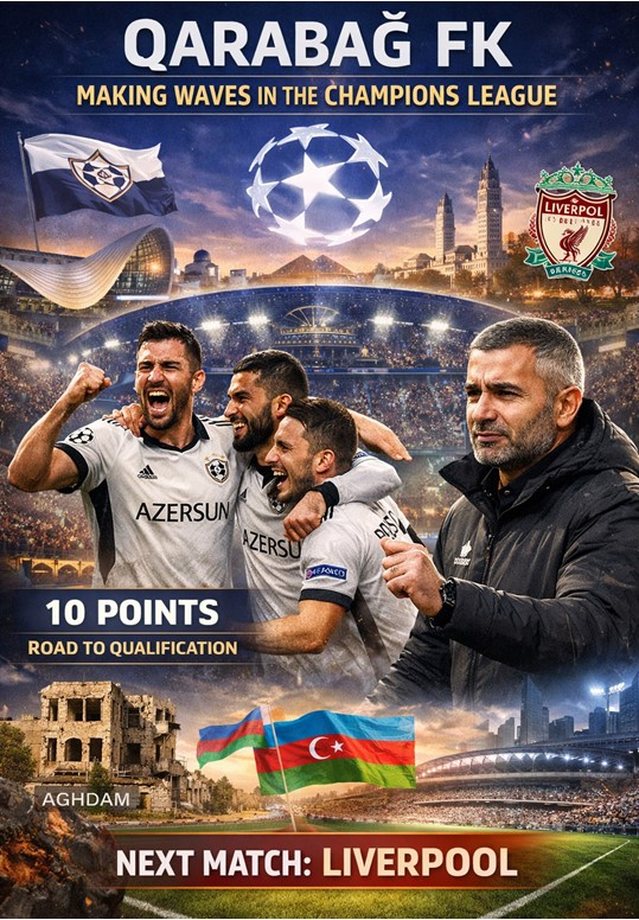
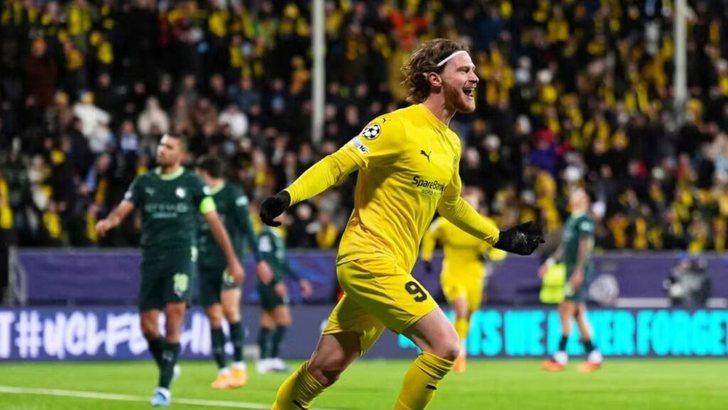
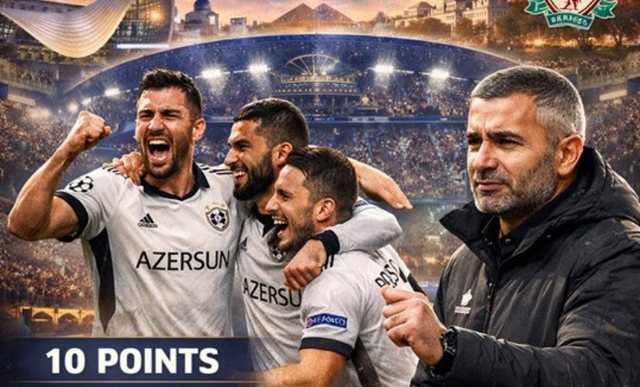
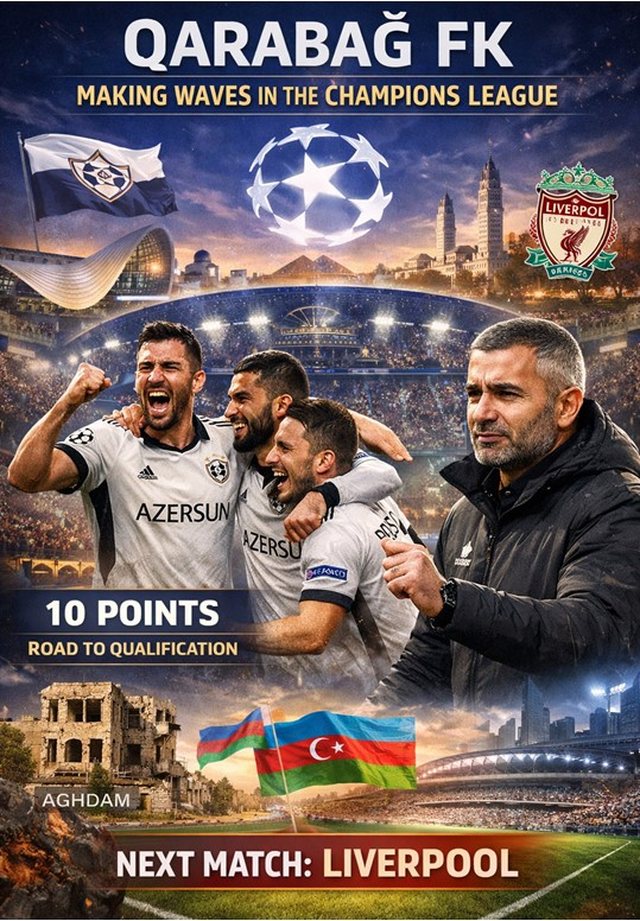
This approach has produced tangible results at the highest level of European football. In the current Champions League campaign, Qarabağ FK have delivered calm and competitive performances against established clubs. The team has currently collected 10 points from 7 matches — a strong result for an Azerbaijani club competing in Europe’s top competition — putting them firmly in contention for qualification to the next stage.
Some of Qarabag's results have demonstrated the club's ability to compete under pressure, earning respect for their organisation and mental strength. As the league stage approaches its decisive moment, the upcoming matches, including a high-profile clash against Liverpool, will play a key role in determining qualification for the play-offs, further increasing the importance of this campaign.
Beyond its sporting achievements, Qarabağ FK also has a symbolic significance. Named after the historical region of Karabakh in Azerbaijan, the club represents perseverance and continuity, demonstrating how stability and long-term planning can translate into international competitiveness. Its presence in the Champions League reflects the broader development of Azerbaijani football and its growing confidence on the European stage.
In a competition often shaped by financial power, Qarabağ FK offers a reminder that structure, patience and collective belief remain essential elements of success. For many football fans, the club's journey stands as a clear example of how disciplined organisation and sporting vision can bridge the gap between modest resources and elite competition.
*Ambassador of Azerbaijan to Albania