Fier is surrounded by photovoltaics – The government approves th...
2026-11-28 21:48:01Focus


A rubber bullet is no match for live fire. A member of parliament is as equal before the law as an ordinary citizen.
And one rubber bullet fired at a member of parliament is no more disturbing than dozens of rubber bullets fired at citizens. But it is the latest bell to raise the alarm about the relationship between uniform, power, and the law.
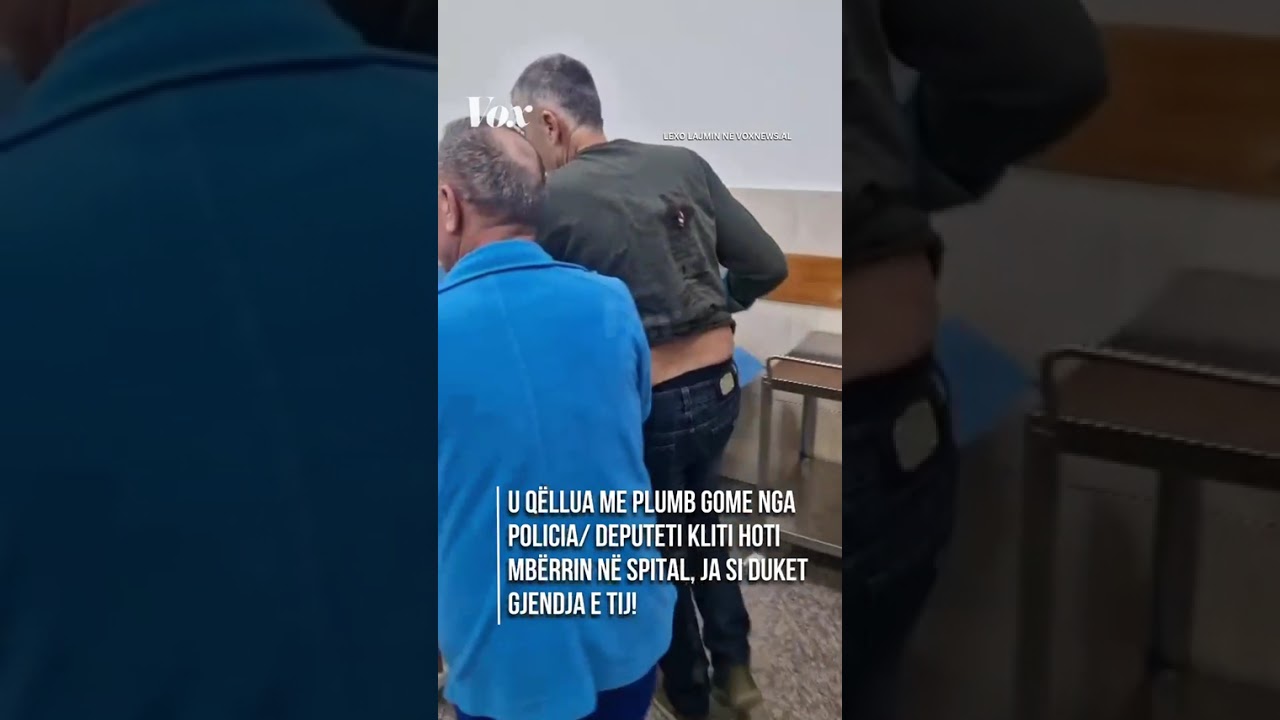
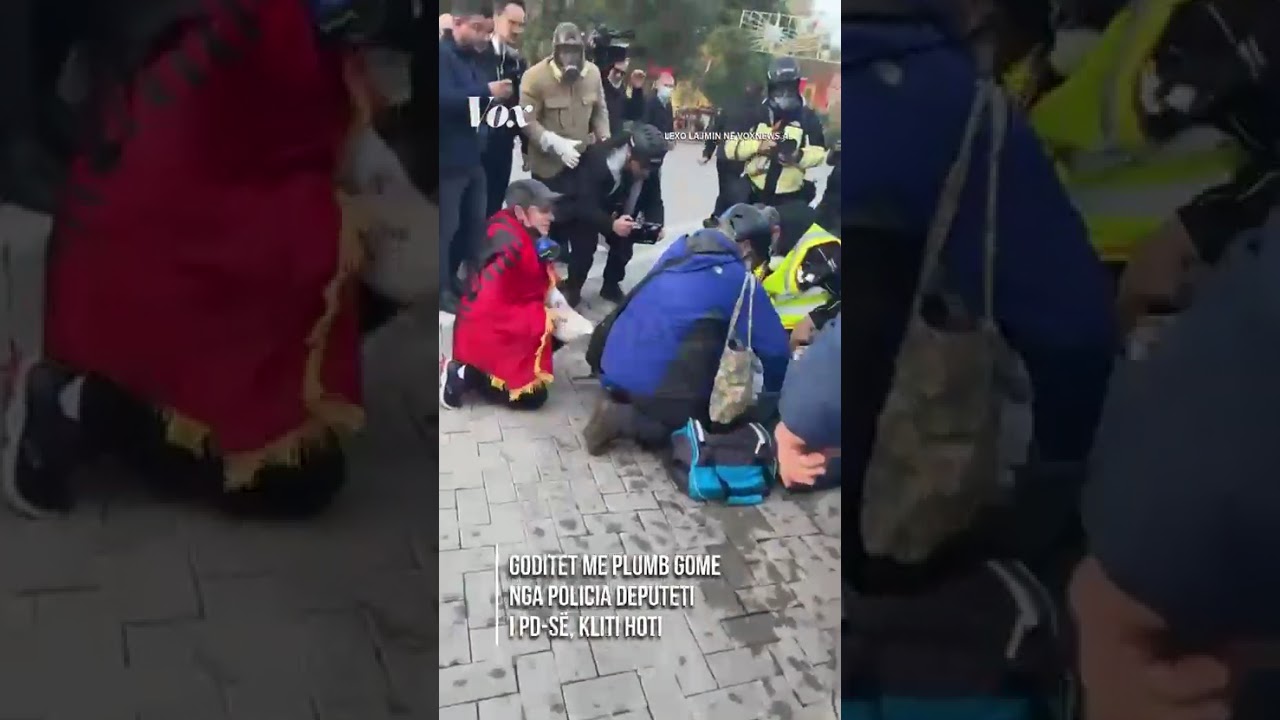
An officer, dressed in state uniform and endowed with the authority granted by law, is seen firing the weapon he holds in his hand. In the circumstances of the incident where MP Kliti Hoti was wounded in the shoulder, this image raises a much bigger question than the shot itself: what justified that action at that moment?
Following the incident, the State Police announced the immediate suspension of the officer with the initials EA and the opening of a disciplinary investigation into his actions. In the official announcement, the Police also announced that the officer had not received an order to fire rubber bullets, emphasizing that responsibility for individual actions will be investigated. In parallel, the Police Supervision Agency and the Prosecutor's Office have initiated actions to fully clarify the incident.
But suspending an officer and launching an investigation does not close the case. On the contrary, it makes it even more necessary to answer the question of how and why force was used at that moment.
Because the policeman is not just another protester in the square. He is not a citizen who reacts out of anger, nor a party to a conflict who can take revenge for what is happening in front of him. He is a representative of the law. And precisely for this reason, more self-restraint, more control and more responsibility are required of him.
The law does not leave it up to the officer to decide, according to his wishes or carelessness, when and how much force to use. Article 32 of Law No. 82/2024 “On the State Police” clearly limits this competence: force is used only when necessary, when other measures do not work or are impossible, and always in a proportional and escalating manner.
Warning is also required before its use, except in cases where there is a real and immediate danger.
So, the law does not give the police a blank check to shoot. It gives them a limited, conditional, and controllable authority.
The State Police Regulation, in Article 25, also goes further with this responsibility: the means used must be proportionate to the risk, guaranteeing fundamental human rights and freedoms. And point 6 is even clearer: the police officer bears individual responsibility for the force he exercises and is accountable before the law.
This means that no one can hide behind the crowd, behind the tension of the protest or behind general orders to maintain order. Every action of the police must have a legal reason. Every use of force must be justifiable. Every excess must be held accountable.
Of course, the violence of the protesters must also be condemned. Throwing Molotov cocktails and pyrotechnic devices at the police cannot be put into perspective. But the violence of one side does not erase the responsibility of the other side. On the contrary, at a moment when the situation gets out of control, the police must be the one who does not lose control.
It is not a question of whether the person who was hit is an MP, a politician or an ordinary citizen. If a police officer can use force unjustifiably against an MP, tomorrow it could be any citizen who happens to be in the square, on the street or simply in the wrong place at the wrong time.
And this is the real concern. Not just the bullet in Kliti Hoti's shoulder, but what such a sight can represent: an authority that forgets that the power entrusted to it is not personal property nor an instrument to punish anyone it encounters.
The uniform doesn't give you the right to vent. It burdens you with the obligation to control yourself even when others don't.
Because the Police should be the citizen's shield, not his fear.