Fier is surrounded by photovoltaics – The government approves th...
2026-11-28 21:48:01Focus


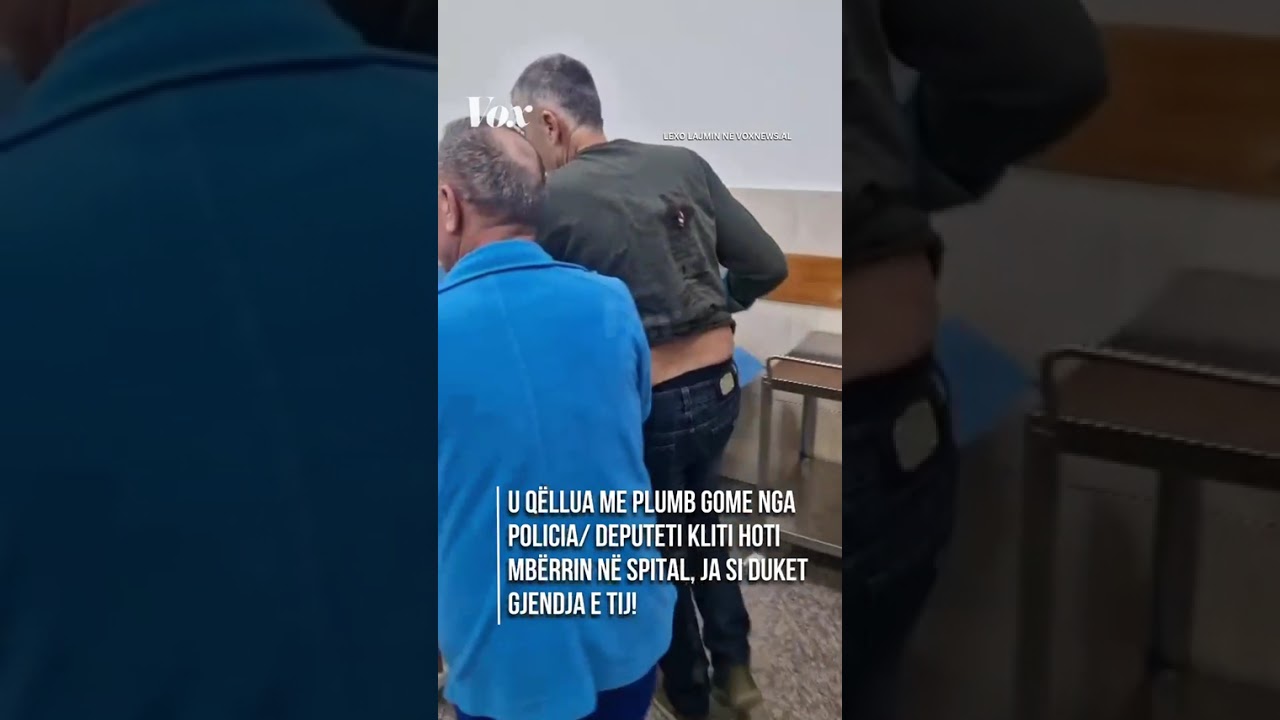
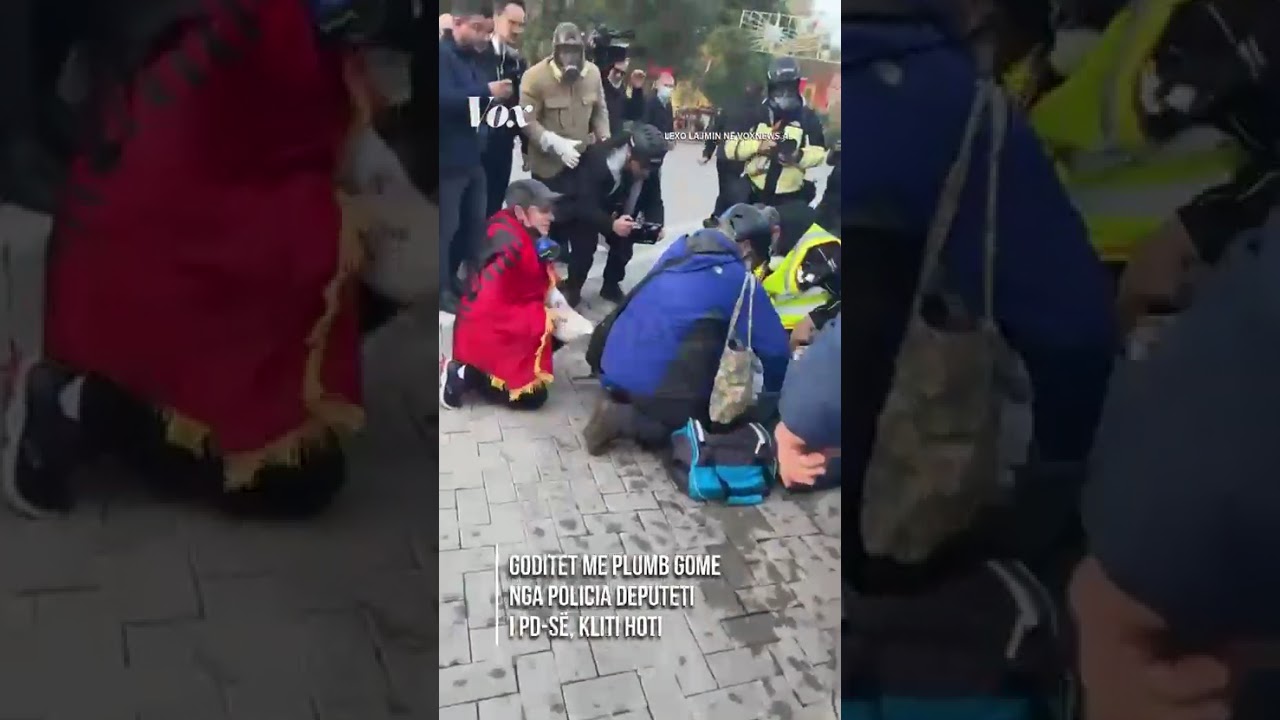
In the old crisis management manuals, when a scandal becomes impossible to hide, the institution immediately finds a "black sheep" to save the pyramid's head. We saw this in the recent statement of the State Police after the rubber bullet shooting of a deputy in the middle of the boulevard: a classic attempt to institutionally wash their hands, blaming the entire incident on the whim of a single officer, so that the chain of command comes out clean as a whistle.
But in their rush to save the bosses, the police inadvertently admitted to an even more serious scandal: according to the official version, a police officer in the field pulled out his special weapon and fired kinetic ammunition without orders.
If we take this alibi for granted, then we are dealing with a collapse of security and command. 37/40 mm caliber weapons and rubber bullets are not pens kept in a pocket for personal notes; they are distributed with strict records and used exclusively on the orders of the head of the police operation. If an officer can fire rubber bullets at will in the middle of the capital, the question that naturally arises is: who controls the state armaments in this country?
Even more problematic is the technical aspect of that "unauthorized" shooting. Both the UN international standards and the decisive jurisprudence of the Grand Chamber of the European Court of Human Rights, as well as Law No. 82/2024 "On the State Police", establish ironclad rules: rubber bullets are never used without active violence that endangers life, and targeting at the waist is strictly prohibited. A shot between the shoulders — at the level of the spine and rib cage — is not an innocent "slip", but targeting a vital area, where the rubber bullet becomes a potentially lethal weapon. When this happens behind the back, without warning and on a street where there was no attack on the police, the alibi of "self-defense" falls even before it is written.
However, the climax of this legal tragicomedy lies neither in the police statement nor in the finger that pulled the trigger. It lies in the double standard of justice.
In this country, when a citizen or protester pushes a fence or throws an object into the street, the state machine turns on at lightning speed: handcuffs in flagrante delicto within minutes and a request for "prison arrest" for violating public order. Meanwhile, when a police officer shoots an elected representative of the Assembly in the back with his service weapon, committing serious criminal offenses such as abuse of office, arbitrary actions, and wounding in broad daylight and in front of the cameras, the Prosecutor's Office and the Police Supervision Agency (AMP) suddenly discover the virtues of patience and procedural leniency. There is no arrest in flagrante delicto, no handcuffs; an administrative suspension from work and an "open investigation" are sufficient.
Apparently, there is an unwritten article in the Albanian Penal Code: social dangerousness is measured by the direction of the barrel. If you are an ordinary citizen, you are a danger to the state and should be locked up in a cell without wasting time; if you wear a uniform and shoot without orders on the boulevard, you are simply an "administrative case" that deserves to await the investigation at home.
If the Prosecutor's Office and the AMP do not pursue this matter to the end — by seizing ammunition logs, security cameras, and radio communications from the operations room to find out who really gave the order — this will not remain just an episode of internal shame. It will return to the next file where Strasbourg will remind Albania of a simple truth: when the state protects those who shoot in the back and imprisons those who protest, we no longer have public order, but simply uniform impunity.