Protests, violence, curfews: From France to Albania, why Europe'...
/ 2026-10-20 23:47:20Focus


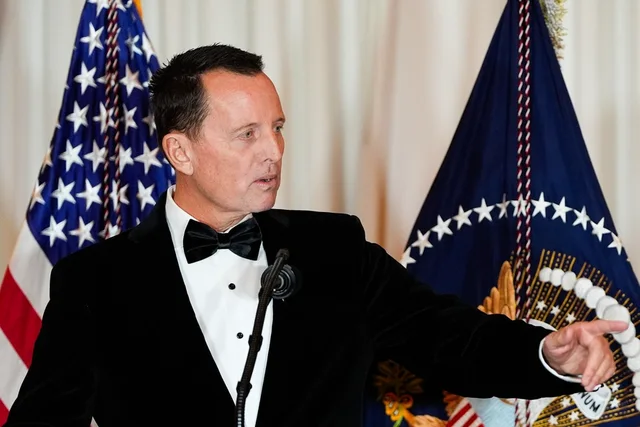
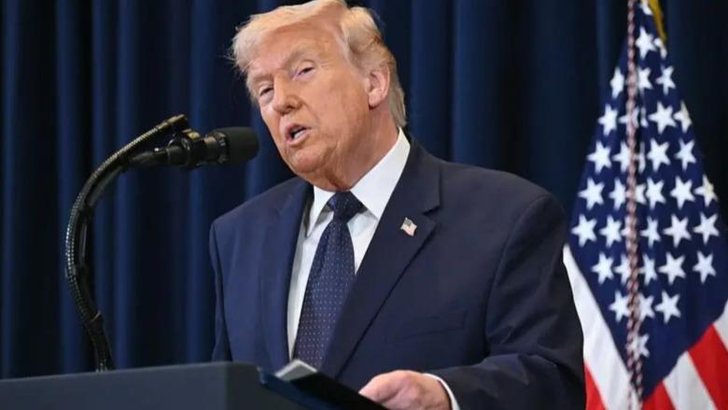
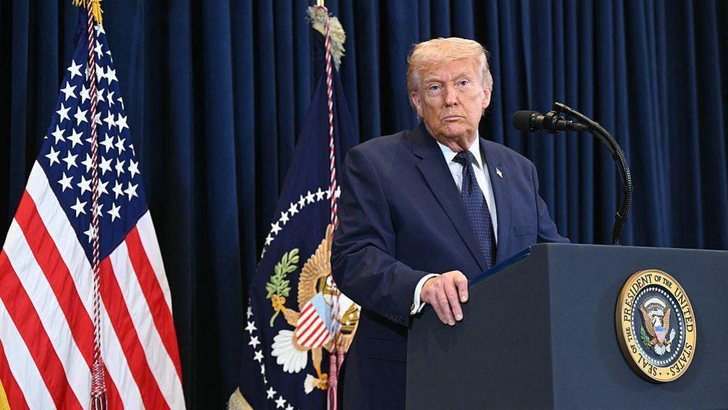
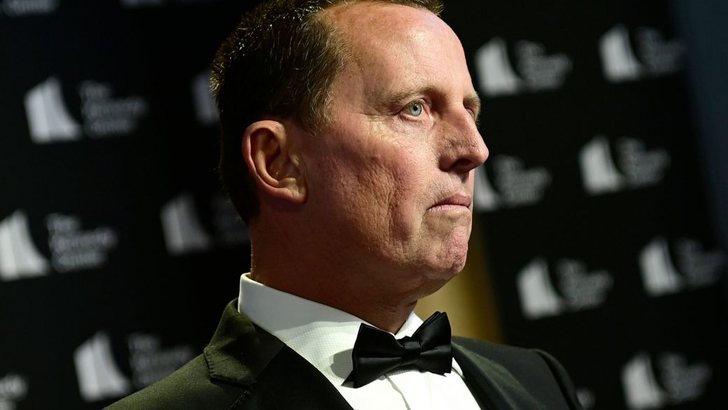
US President Donald Trump has decided to replace Richard Grenell as director of the John F. Kennedy Center for the Performing Arts.
Trump himself announced the news through his social network Truth Social, where he announced that Grenell will be succeeded by Matt Floca, currently vice president of the center for facilities operations.
The decision comes as the renowned arts and cultural institution in Washington, D.C. is expected to close for about two years for an extensive renovation. Trump aims to transform the center according to his vision and reorganize its operations.
Grenell took over as interim director of the center in February 2025. During that time, the institution faced a series of challenges, including cancellations of major performances, protests, and declining ticket sales. These problems were also accompanied by financial difficulties as leaders struggled to implement the changes requested by the president.
Sources close to the White House administration have revealed that Trump was unhappy with the negative publicity that was accompanying developments at the center.
Although the president continues to value Grenell as a trusted collaborator, he was thought to have erred in the way he managed the institution, particularly in public communications.
However, several administration officials stressed that Grenell was not being fired outright. They said he had initially agreed to lead the center only for a transitional period and planned to leave before the start of the lengthy renovation process. He is expected to stay on for several more weeks to complete some tasks, including fundraising for the institution.
Grenell's leadership of the center was marked by a clash with the traditions of the art world. He attempted to change the way events were programmed and managed, challenging practices that had existed for decades. Critics argue that this created tensions within the institution and damaged its reputation.
Several people who worked with Grenell described him as a confrontational and stubborn leader. He had no experience running arts institutions and took a very hard-line approach to decision-making, they said. A source close to the center said he came in “with a hard hammer,” using methods that were more like a political campaign than running a cultural institution.
Grenell's supporters, however, argue that he was exactly the right person to implement Trump's vision for the center. They say he brought a straightforward and clear approach and hired new staff to reform the institution.
Grenell has had a career primarily in diplomacy and foreign policy. He served for eight years at the U.S. State Department and later became a close confidant of Trump. During the president's first term, he was appointed U.S. ambassador to Germany and later special envoy for the dialogue between Serbia and Kosovo.
In 2020, Trump also appointed Grenell as the acting director of national intelligence, making him the first openly gay official to hold a cabinet-level position. During that time, he made several controversial changes to the intelligence structure and clashed with some officials and Congress.
Because of his ability to take on different roles in the administration, some Trump aides have described Grenell as the president's "Swiss Army knife," implying that he is used for various missions when the need arises.
However, his appointment to head the Kennedy Center was met with skepticism by many arts professionals, who noted his lack of experience in the field and doubted his ability to lead a cultural institution of such magnitude.
Grenell himself has tried to emphasize his connections to the arts, citing the fact that he sang in a choir as a child and that his partner was a Broadway actor. He has also spoken about the importance of arts education and efforts to make programming more appealing to audiences.
One of his most controversial proposals was the idea of raising funds by auctioning off the opportunity to conduct the national anthem with the National Symphony Orchestra. Under the proposal, anyone who donated $50,000 would be able to conduct the orchestra for one song during an event. Although the idea did not materialize, it caused criticism and concern within the artistic community, as many saw it as a devaluing of the professional role of conductors.
Grenell also tried to change the center's programming to make it more appealing to families and the general public. He brought on shows like Dog Man: The Musical, based on a popular children's graphic book series. According to him, the center should not offer programs that do not appeal to the public, as this hurts the institution's finances.
Another goal of his was to open the center to audiences who traditionally felt unwelcome in the art world, including political conservatives. Grenell argued that the institution had long been seen as a space dominated by liberal views.
During his tenure, the center also hosted several high-profile events, including an event related to the FIFA World Cup, the premiere of the documentary Melania, and a memorial for conservative activist Charlie Kirk.
However, criticism of his management continued. According to some sources, Grenell did not spend much time physically at the center and often worked from his home in California. Some staffers even claimed that a year after his appointment, many of them had still not met him in person.
At the same time, attendance at shows had plummeted. To fill the halls, managers were often forced to offer free tickets to federal employees or the public. This phenomenon in theater is known as “papering the house,” which means filling seats to create the impression of a full house.
Critics of the Trump administration argue that this decline was also related to the politicization of the institution. Trump had fired the center's previous board, appointed loyalists, and even changed the name to the "Trump-Kennedy Center," a decision that is currently being challenged in court.
According to some sources, various artists and companies have been reluctant to perform at the center for fear of being labeled politically. This has made it more difficult to secure new programs and attract an audience.
Faced with these challenges, the decision to close the center for renovation has been seen by some as a way to stop the crisis and restart activity under new conditions.
In his public response, Trump thanked Grenell for his work during the transition period. He stated that the renovation project will turn the center into “the finest facility of its kind in the world,” expressing confidence that the institution’s transformation will be completed successfully.