Berisha: Altin "Troplini" Dumani amnestied electoral crimes, SKA...
/ 2026-10-19 11:44:20Focus


Student protesters in Serbia are preparing for their first major protest of the year, in another direct confrontation with President Aleksandar Vucic and his government. Thousands of citizens from across Serbia are expected to gather in Belgrade this Saturday, in a protest that organizers see as the start of a new political battle to oust the current government.
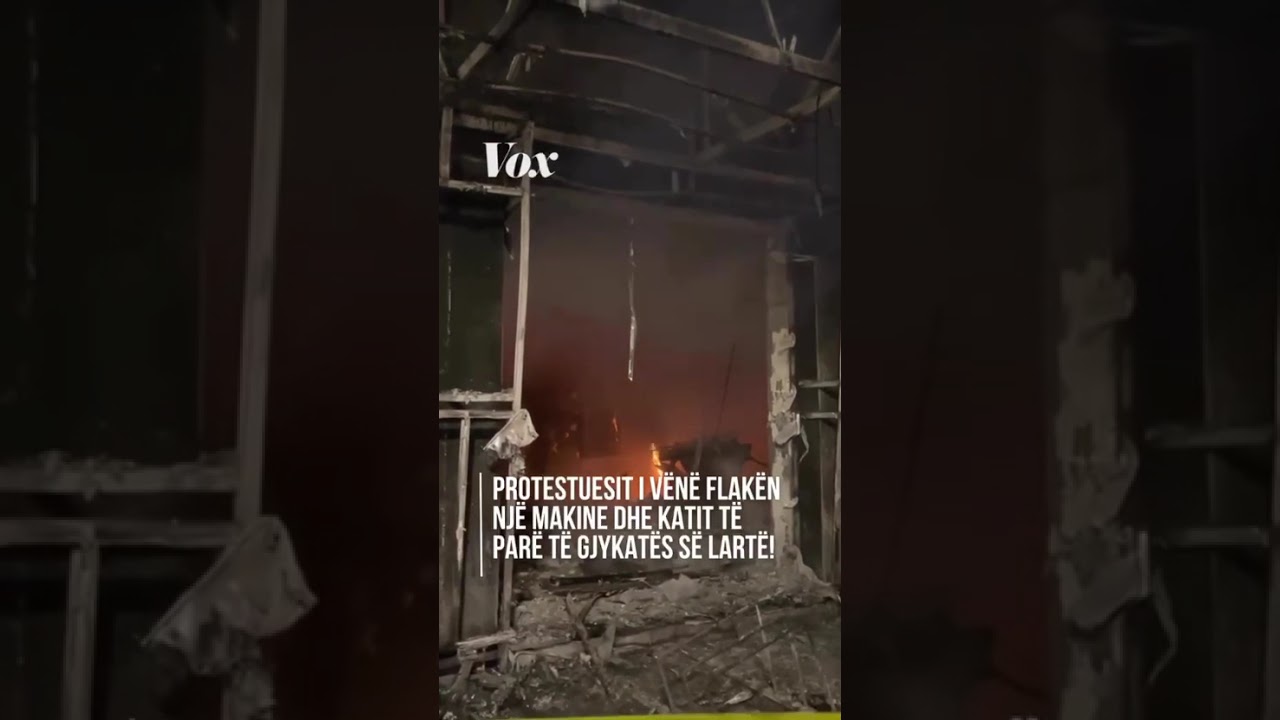
The rally will be held at Slavija Square, the site of one of the largest anti-government protests in March last year. That protest was marked by tension and sudden disruptions, with experts claiming that sound weapons were used against the crowd, an accusation the Serbian government denied.
The student movement became a symbol of civic revolt after the tragedy at the Novi Sad railway station in November 2024, when 16 people lost their lives after a concrete shelter collapsed. The event caused widespread public outrage, as many citizens believe the disaster was the result of corruption and negligence in state projects.
After mass protests and months-long faculty blockades in 2025, the government was seriously shaken. The then Prime Minister Miloš Vučević resigned along with his cabinet, but students say this is not enough and are demanding early parliamentary elections.
President Vučić has said that elections could be held between September and November this year, but has not yet officially announced a date. Students and their supporters believe that the political moment is approaching and that Saturday's protest will show the real strength of the movement.
"We hope that many people will come and continue to support the students because we are preparing for the elections. Serbia needs change and the students will bring that change," youth representative Isidora Jovanovic told the Associated Press.
According to organizers, the protest will be held without incident, even though political tensions in the country have increased significantly in recent months. Just a few days ago, an elderly man was injured after a driver crashed into a protester's blockade in central Belgrade. Meanwhile, other incidents of violence have been reported during protests and local elections in recent months.
Police have repeatedly separated Vucic's supporters from student protesters. The Serbian president has also set up a camp near the presidency with his supporters, which local media say serves as a barrier against anti-government protesters.
Vučić, meanwhile, continues to attack protesters and has called the protests “illegal” and “criminal.” He claims that protesters have resorted to violence and blocked city streets. Pro-government media outlets have labeled the president’s critics as “terrorists” and “foreign agents,” further deepening political divisions in the country.
Professors and political analysts in Serbia say that the student movement has now become a real political force. Political Science Professor Dusan Vučićević stated that for the first time in many years there is a group that can seriously challenge the Serbian Progressive Party and Vučić himself.
Meanwhile, a new generation of students is joining the protests. Two first-year students at the Faculty of Political Science in Belgrade said that participating in the protest is a “moral obligation,” while believing that Serbia is “one step away from a better future.”
Reports of excessive use of force by police and arbitrary detentions of protesters have also drawn international reactions. The European Union has warned that democratic regression in Serbia could cost the country around 1.5 billion euros in funding for candidate countries.