


Berisha: Altin "Troplini" Dumani amnestied electoral crimes, SKA...
/ 2026-10-19 11:44:20Focus


Security teams and armored vehicles are part of the landscape in Colombia, a country accustomed to armed violence. In these conditions, personal protection has become a highly profitable industry that is booming every day.
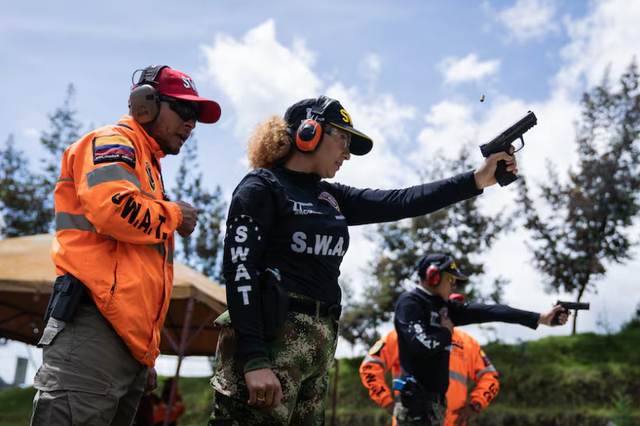
In Facatativá, two hours from Bogotá, is the SWAT Bodyguards Academy – the largest private security school in Latin America. Known as the “Harvard of bodyguards”, it attracts students from all over the region, including Mexico, Ecuador and Costa Rica.
The cadets undergo intensive training in shooting, vehicle maneuvers, and defense strategies. “Nobody knows more about security than Colombians,” admit the foreign students.
The instructors – mostly retired police or military personnel – are proud of this reputation. Luis Albeiro García, a former member of the Administrative Department of Security (DAS) and bodyguard to three former presidents, explains: “For better or worse, sixty years of armed conflict trained us like no other. After the Americans, the Colombian army is the best.”
That's why Colombian bodyguards are in huge demand abroad. Many graduates end up as mercenaries in Sudan, Ukraine, the United Arab Emirates and Israel, earning three times what they would earn in their home countries.
In Colombia, there are nearly 400,000 people certified as private guards, more than double the police force. At least 11,500 bodyguards are contracted by the National Protection Unit (UNP) to protect some 12,000 officials, community leaders and individuals at risk.
This costs the government about $705 million a year. The presence of bodyguards has increased by 400 percent in the last decade. For Hugo Acero, a former security secretary in Bogota, these figures are "scandalous."
He complains that having private security has become a matter of status or prestige among the wealthy class (singers, businessmen, actors). "You're nobody if a man in black doesn't open the door for you," he says, adding that if someone really wants to kill you, security teams are often useless.
While politicians who face no real risks move around with large security teams, others are left unprotected. Colombia remains one of the world's largest graveyards for these people.
The private security industry is extremely lucrative. Companies charge high fees, while academies like SWAT Bodyguards see a surge in student enrollment after every high-profile public incident.
Political scientist Ricardo Amórtegui says: "Private security is a reactive measure that keeps businesses worth millions of dollars. But it's just a superficial solution."
But despite the criticism, as long as people live in a state of alert 24 hours a day, seven days a week, the security business in Colombia will continue to flourish, becoming an integral part of the country's landscape.





