Protests, violence, curfews: From France to Albania, why Europe'...
/ 2026-10-20 23:47:20Focus


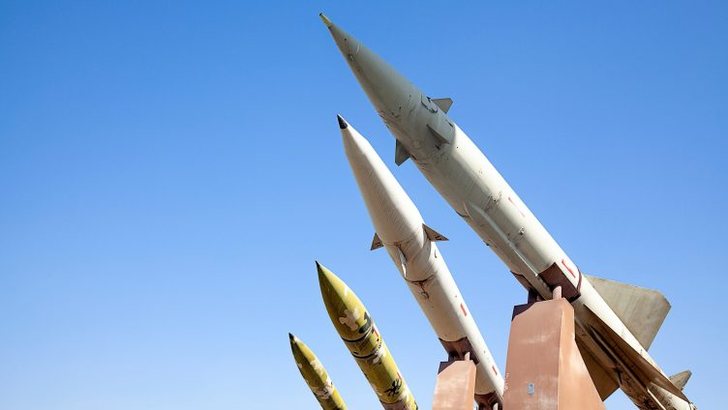
Dubai has banned the use of small drones and very light aircraft until further notice, anything that could be seen as a threat from Iran. According to recent reports, 262 ballistic missile attacks, eight cruise missiles and over 1,470 suicide drones have been recorded.
Consequences so far: 6 dead and 122 injured. One of the largest refineries in the world, the Ruwais refinery in Abu Dhabi, has been hit.
The United Arab Emirates (UAE), a confederation of seven small states, is among the main targets of Iranian forces. This is a partially expected retaliation, but it is going beyond all expectations, requiring a defense system that uses Western and Russian equipment, possibly even Israeli (but not yet operational). According to authorities, these systems work successfully and intercept many attacks, but they cannot stop all the wave of attacks that follows every day.
The story between this group of monarchies and Iran started badly from the beginning.
In 1971, before the Emirates were created, the then army of the Shah of Persia occupied three strategic islands, Abu Musa, Grande and Piccola Tunb, which control the Strait of Hormuz. These lands are claimed by both sides and remain a point of conflict that has never been resolved.
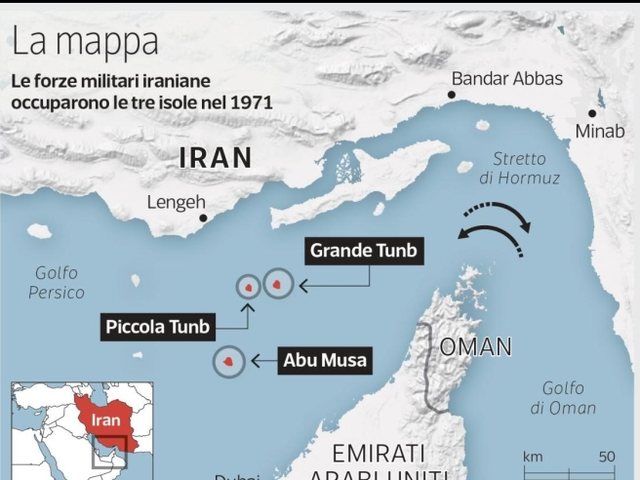
A year ago, Tehran reiterated that the islands are non-negotiable, and their importance has only grown with the recent crisis. This conflict has expanded to include other political and strategic issues.
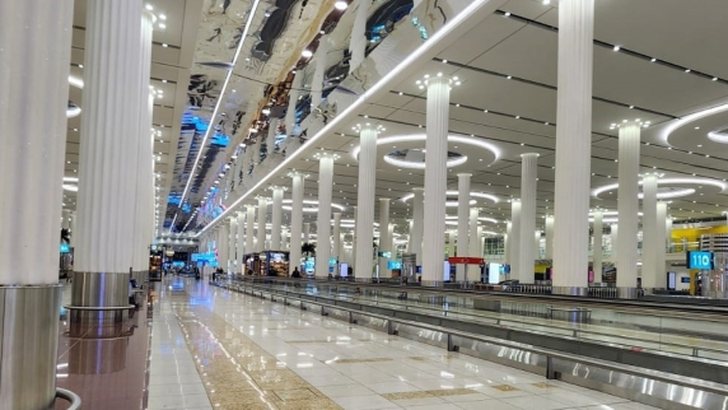
The Emirates is a valued ally of the US and Western countries. The Americans and the French have bases and ports, intelligence services cooperate closely and share information and assessments. Iran is viewed with suspicion, especially if it manages to develop nuclear weapons. Fears are also reinforced by recent attacks, which endanger not only citizens and millions of foreign workers, but also the global economy, for example flight traffic at Dubai airport.
Despite the conflicts, there have always been contacts and attempts at mediation.
The Emirates, like Bahrain, have opened relations with Israel, which has increased tensions with Iranian leaders. Abu Dhabi, under Mohammed bin Zayed, has also established ties with Tel Aviv in East Africa, especially in Somaliland, near the Bab el-Mandeb, the great gateway to the Red Sea.
These initiatives are part of a strategy that extends to Libya and Sudan.
For Tehran, but also for other Sunni princes, the EAB's actions have been seen as a "stab in the back", as they favor the so-called "Greater Israel" project.
The conflicts were also reinforced by the tragedy in Gaza: the Emirates have always been against Hamas, have financed armed clans and have promised funds for a refugee village that will not be under Hamas control.
The rivalries have also extended to the war in Yemen. The Emirates initially participated in actions against the pro-Iranian Houthis alongside the Saudis, and later sponsored a local component, the STC, which has gained strategic positions on several Red Sea islands.
However, economic interests have brought the two sides closer together. The Emirates is home to around 500,000 Iranians, many of whom manage companies with direct or indirect ties to Tehran and the Revolutionary Guards.
Hundreds of legal and illegal arms trade and transport routes pass through Dubai, including ways to evade sanctions and embargoes. The Emirates could cut off these routes, but that would also come at a high cost for them./ Corriere della Sera