Is this police force professional and capable of handling violen...
/ 2026-10-16 18:54:07Focus


Saudi Arabia's Crown Prince Mohammed bin Salman has twice urged US President Donald Trump to launch strikes against the Houthis in Yemen, as the Iran-backed group approaches one of the most strategic points on the Red Sea.
According to two US officials cited by Axios, MBS called Trump twice on Thursday. In the calls, he briefed the US president on the deteriorating situation in Yemen and then urged the US to intervene militarily against Houthi positions.
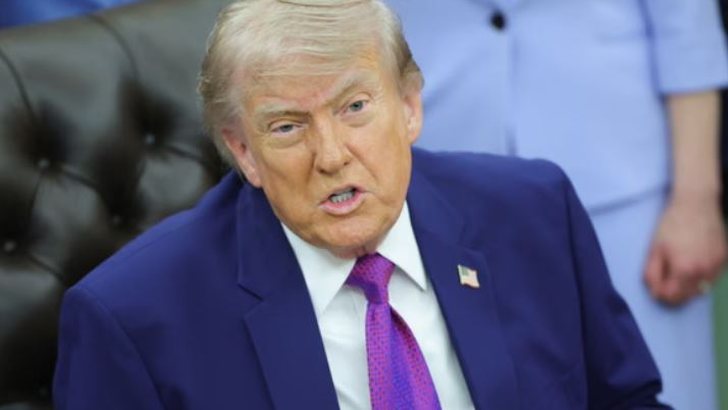
Trump, however, rejected the request. US officials stressed that the administration has no current plans for direct military intervention against the Houthis.
The situation has escalated after Houthi forces took control of a strategic coastal city in Yemen, moving closer to the Bab al-Mandab Strait.
Bab al-Mandab is one of the world's most important maritime corridors, connecting the Red Sea to the Gulf of Aden. Control or threat to this area could directly affect global trade and Saudi oil exports.
Tensions have been heightened by the situation in the Strait of Hormuz, where Iran is already blocking maritime traffic. Greater Houthis control over the Bab al-Mandab would give Tehran another tool to pressure the US and its Gulf allies.
US increases support for Saudi Arabia
As Washington tries to avoid opening a new military front, support for Saudi Arabia is growing.
The commander of US Central Command, Admiral Brad Cooper, traveled to Saudi Arabia on Thursday for urgent coordination meetings, according to sources cited by Axios.
A US official said Washington would provide Riyadh with intelligence information and data to identify Houthi targets.
About 200 US military personnel are already in Saudi Arabia, where they provide non-combat support.
From diplomatic clash to war on the ground
The clash between Saudi Arabia and the Houthis flared up again in July, after Riyadh prevented an Iranian plane carrying senior Houthi officials from landing in Sana'a after returning from the funeral ceremony of former Iranian Supreme Leader Ali Khamenei.
At that time, Mohammed bin Salman asked Trump for political support for an attack on Sana'a airport, making it clear that Saudi Arabia did not need American military assistance. Trump politically supported the Saudi request.
The Houthis then launched attacks on Saudi tankers in the Red Sea, threatening one of the kingdom's main oil export routes. The attacks later expanded to include Saudi energy facilities.
Saudi Arabia and its Yemeni allies responded with airstrikes and ground operations against Houthi positions.
Riyadh increasingly seeks American aid
MBS's latest call for direct American intervention marks a significant shift in Saudi Arabia's stance.
In July, Riyadh had communicated to Washington that it could deal with the Houthi threat on its own. The escalation of fighting and the advance of Houthi forces have led Saudi Arabia to seek an ever-increasing level of support from the US.
American and Saudi officials have discussed the situation in recent weeks, while Washington has reiterated that Trump's priority is to concentrate American forces on Iran and the Strait of Hormuz.
This strategy aims to avoid opening a second military front at a time when tensions with Tehran are already high.
Washington: Freedom of navigation is the priority
A senior Trump administration official said the US priority is to guarantee freedom of navigation in the Red Sea, while responsibility for the broader confrontation with the Houthis should be taken by regional partners.
"The United States is focused on protecting our essential national security interests, including ensuring freedom of navigation in the Red Sea," the official stated.
He added that Washington is in ongoing dialogue with Saudi Arabia and the Yemeni government on regional stability.
For now, Trump appears to be trying to maintain a middle ground: supporting Saudi Arabia and protecting strategic transportation corridors, without directly involving the US military in the fight against the Houthis.
However, the advance of Houthi forces towards Bab al-Mandab and the escalation of tensions with Iran may make it increasingly difficult for Washington to stay out of the conflict.