Is this police force professional and capable of handling violen...
/ 2026-10-16 18:54:07Focus


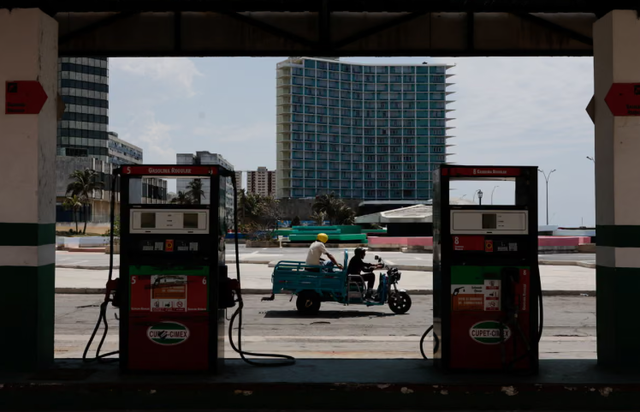
Cuba has run out of oil, the country's energy minister said, as Havana faces its worst power outages in decades due to a US blockade that has starved the island of fuel.
"We have absolutely no fuel (oil) and absolutely no oil," Minister Vicente de la O Levy said, in state media, adding that the national grid was in a "critical" state.
Oil is a product derived from the distillation of crude oil, which is also used to generate electricity.
The minister said that outages had increased significantly across Havana, with many neighborhoods in the capital without electricity for up to 22 hours a day.
The national grid, De la O Levy said, operated entirely on domestic crude oil, natural gas and renewable energy.
Cuba has installed 1,300 megawatts of solar power over the past two years, but most of that capacity is lost due to grid instability due to fuel shortages, he said, reducing efficiency and production.
He said Cuba continued negotiations to import fuel despite the blockade, but said rising global oil and transportation prices due to the US-Israeli war with Iran were further complicating this effort.
“Cuba is open to anyone who wants to sell us fuel,” he said.
Neither Mexico nor Venezuela, once Cuba's main oil suppliers, have shipped fuel to the island since US President Donald Trump's executive order in January 2026, which threatened to impose tariffs on any country shipping fuel to the communist-run nation.
Only one large oil tanker, the Russian-flagged Anatoly Kolodkin, has shipped crude oil to Cuba since December, providing temporary relief in April.
The power outages in Havana and beyond come as the US blockade of fuel imports to Cuba enters its fourth month, crippling public services across the Caribbean island of nearly 10 million people.
The UN last week called Trump's fuel blockade illegal, saying it had impeded "the Cuban people's right to development, while undermining their rights to food, education, health, water and sanitation."
In March, Trump declared that he expects to have the "honor of taking over Cuba," amid US negotiations with Havana over the country's future.
The US has sought to intensify pressure on Cuba, its longtime enemy, since the capture of Venezuelan President Nicolás Maduro in January.
Since then, Trump has cut off Venezuelan oil shipments to Cuba and threatened to impose tariffs on any country that sells oil to the country, stating that Cuba would receive "no more oil or money" as a result of his actions.
But Trump appears to have eased his blockade by allowing the ship Anatoly Kolodkin to dock and unload its oil.
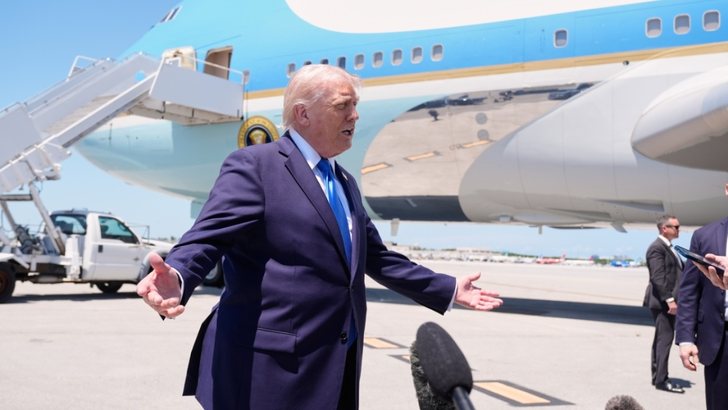
"If a country wants to send some oil to Cuba right now, I don't have a problem, whether it's Russia or not," the US president told reporters on Air Force One on March 30.
Critics say Trump's blockade has resulted in a deepening humanitarian crisis on the already economically troubled island, which has forced schools and universities to close, thrown the healthcare system into chaos and devastated the tourism industry.