Is this police force professional and capable of handling violen...
/ 2026-10-16 18:54:07Focus


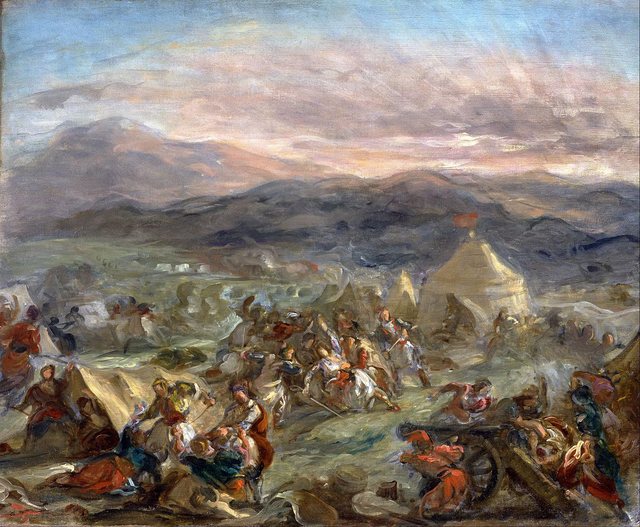
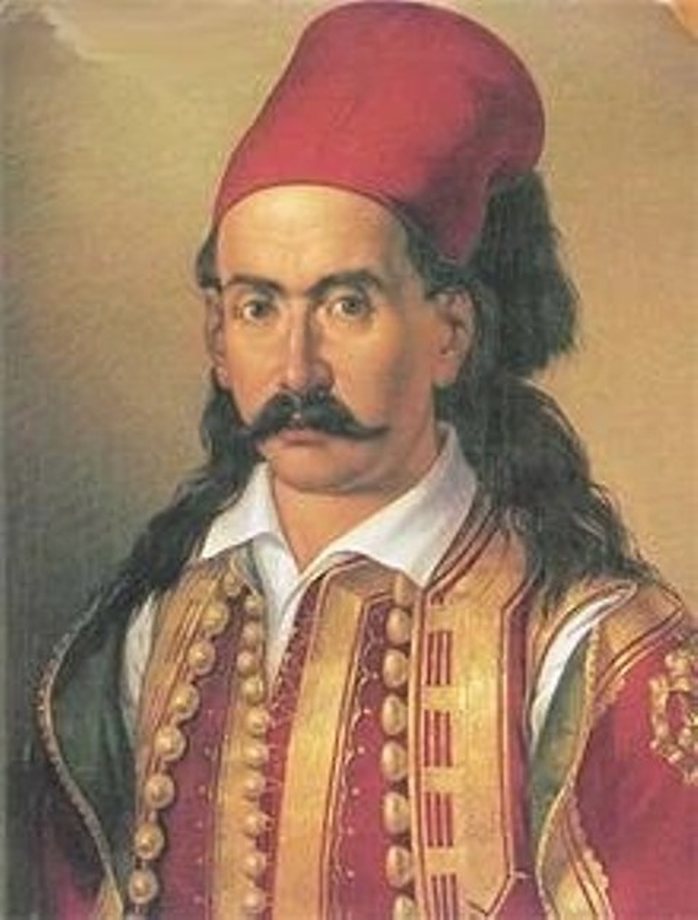
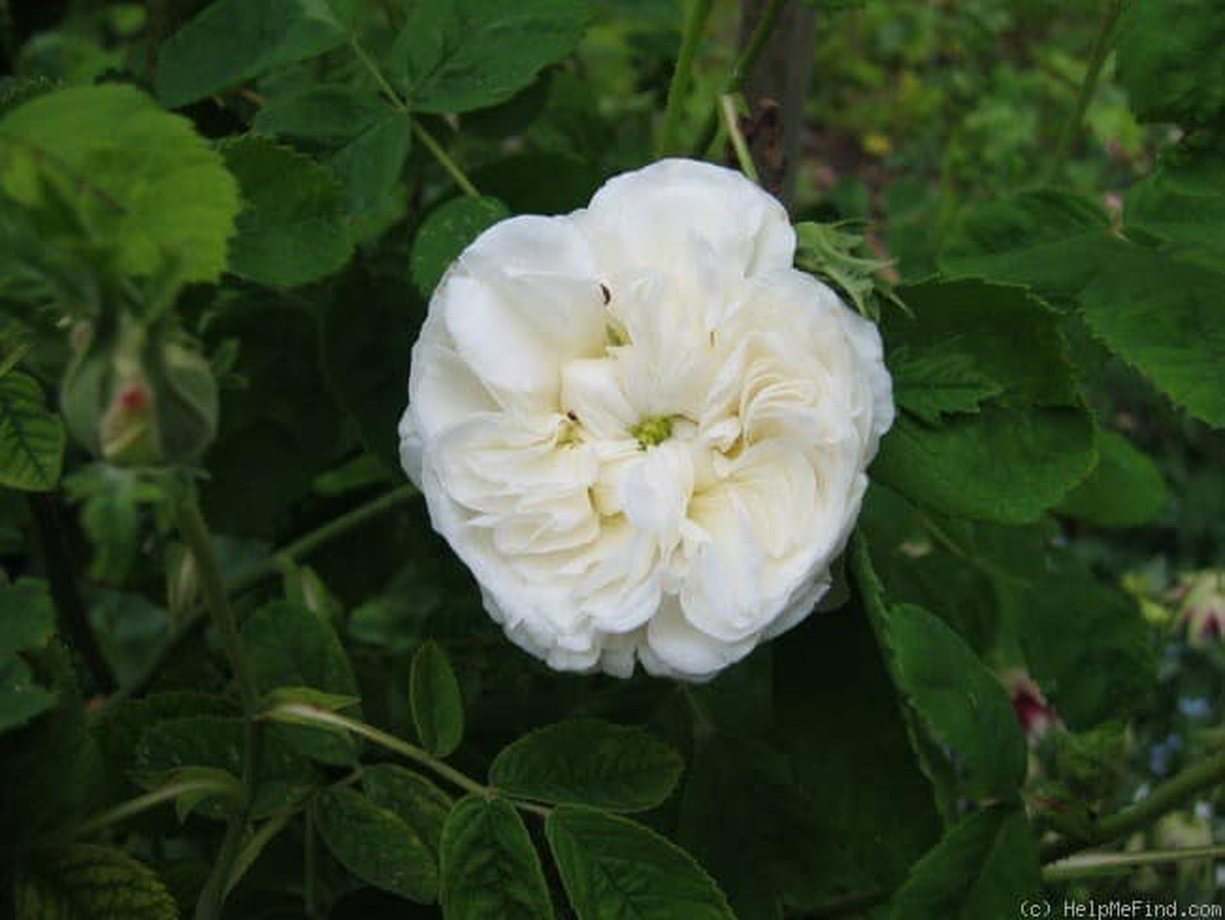
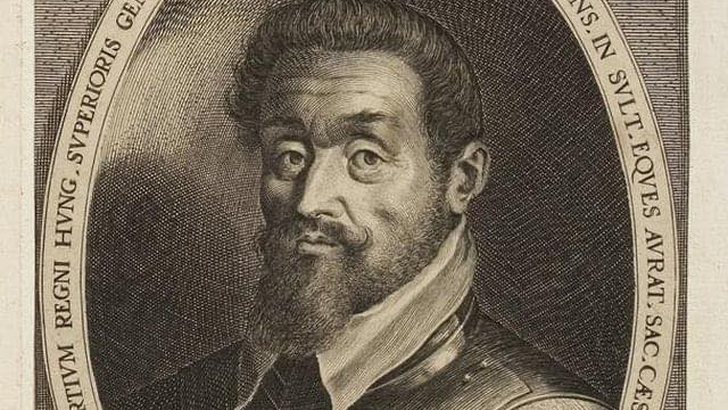
Sometime in 2003, when I was walking through the old quarter of Damascus to find the house of Lady Digby al Mazrab, one of the most interesting characters of Europe in the mid-1800s, I accidentally learned that a special rose also grew in the Damascus gardens. A white Damask rose named after Roza Bocari, the beautiful daughter of Marko Bocari, the most famous soldier killed during the fighting for the Independence of Greece.
I have written the story of the rose associated with Roza in a long article that will be published soon, but by chance, quite by chance, like many things in life, while digging into the history of the Boçari family, I found a very special trace in one of the neighborhoods of the American town of Salem.

Last winter I visited as a historical curiosity, the headquarters of the First Masonic Lodge in America founded in the center of Boston. (By coincidence the first headquarters of the Hearth founded in Boston by Konica and Noli was no more than 50 meters from this imposing building in Boston). At this headquarters, among many historical details I read a very short article on the life of Frank Constantine Victorato, a member of the Masonic Lodge of Essex, IOO F, who was born in the Ionian Islands (a union of the Greek islands of Corfu, Paxos, Antipaxos, Lefkadha) ruled by Venice and later France and Britain)
Constantin Viktorato, who died at the age of 98 in February 1895, had a life full of adventures.
Settled in the town of Salem in 1851, coming from England, he had been imprisoned in the galleys of the Turkish fleet. Captured by the Ottoman army during the period known as the Greek Revolution, he was able to be released with the help of the British authorities as an English subject. After Turkey, he was thrown into Russia and from there, as a sailor on British ships, he was captured by Chinese pirates. After some time, he was able to reach England and from there to Boston where he finally settled in the town of Salem, known for its famous witches. Upon arriving in Boston, he had added a more Americanized name, Frank, to his name Constantine, and so he soon became a well-known merchant in Salem, as Frank Constantine Victorato. But the story of Constantine Victoratos did not end there. After he had been able to create several successful businesses, he built the YMCA building, today one of the city's historic buildings. Constantine, in addition to the many adventures of his life, in his early youth had been part of the Suliote troops of Marko Bocar. According to his testimonies Constantine had been part of the 350 Suliotes who had attacked the Camp of the Pasha of Shkodra on August 20, 1832 in Karpo. Mustafa Pasha of Shkodra participated with his troops brought from Northern Albania under the command of Mahmut Pasha Dramalli, another prominent Ottoman commander of Albanian origin and son-in-law of the Sultan.
But what attracted me to the adventurous story of Constantine was the fact that until the last days of his death he insisted that he had been an eyewitness to Marko Boçari's attack on the Ottoman camp and that Marko Boçari, the famous leader of the Suliotes, a soldier in the service of Ali Pasha, had been killed by his own men. So Marko Boçari, the greatest Hero of the Pantheon of the Greek Revolution, was not killed in an attack against the Ottoman army, (in fact, the northern Albanian troops) but by the Suliotes themselves. I have not come across such evidence in any serious publication of Greek historiography or in any written evidence.
Quite surprised by this evidence made in the American press of the late 19th century, I began to look for more. Perhaps Frank Constantine Victorato did not exist at all and was a character fabricated by the American press of the time. But why could someone have done this?

The town of Salem is very close to the town from where I am writing these lines. A walk in the town of witches is always interesting, especially in the wake of a mystery involving such well-known names in history. With a simple search in the Public Library of the Town of Salem I found that in fact a Frank Constantine Victorato was registered in the Business Book as the holder of a License - Victorato Frank Constantine, bowling alleys, 18 Central, for a Saloon (Club). Similarly, in the history of the historic YMCA Building it was noted that its builder had been a local businessman named Frank Constantine Victorato. After a brief interest in Marko Bocari's comrade-in-arms, I soon found his resting place. Frank Constantine Victorato and his family were buried in the same place in the Salem cemetery.
So Frank Constantine Victorato was a real character. But the most important question was why Constantine insisted during his lifetime that Marko Boçari, the greatest hero of the Greek Revolution, Leader of the Suliotes, Soldier of Ali Pasha Tepelena, Member of the Revolutionary Committee "Filiki Eteria", the character who inspired a series of important European artists like Eugene Delacrua, was not killed by the Ottomans, but by the Suliotes themselves?
If Constantine Victorato had been part of that close group of Suliotes who had attacked the Pasha's Camp of Shkoda, we can clearly say that he was one of them. To this day, we have no evidence that there were Greek participants in the Suliote troops, and even less so in those of Marko Boçari. So we can say without hesitation that Constantine Victoratos was a Suliote, most likely born in Corfu where there was a large colony of the Suliote family.
But why did the Suliots kill their leader? Why this conflict during the clash with the Albanian troops of the Pasha of Shkodra? Was it a fatal accident on the battlefield or a deliberate murder? In fact, the Albanian testimony or version of this event says that Marko Bocari was killed by Lleshi i Zi, the leader of the Mirditors who were part of the Pasha of Shkodra's troops. Meanwhile, Constantine's testimony is that "Marko Bocari was killed by the hands of his people." What does Constantine mean by these lines? By his own people, the Suliots, of whom he was a member, or by the Albanians of the northern troops who came from the Shkodra mountains?
Constantine's testimony must have been so exhaustive that it would have ended up in a contemporary article in the New York Times as the only evidence that refutes the official version of Bozzaris's murder. “Victorato always maintained that the accepted histories of that even were incorrect, and that Bozzaris fell at the hands of his own men” The New York Times, February 21, 1895