"The fate of the homeland is in our hands" - An appeal by Ismail...
/ 2026-10-18 16:09:54Focus


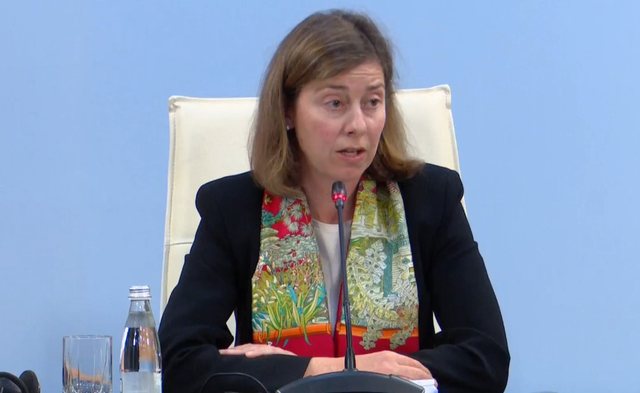
The Head of the International Monetary Fund's Mission to Albania, Anke Weber , has issued a statement on the country's economic challenges and the reforms needed to address them.
During the last presentation, Weber emphasized that Albania needs to increase low tax revenues through harmonizing tax expenditures, advancing property tax reform, and strengthening tax administration through information technology.

The IMF notes that productivity in the country remains low, while the labor market is facing contraction as a result of high youth unemployment and emigration.
Weber emphasized that weaknesses in governance and administrative constraints continue to be barriers to business development.
“ The IMF recommends increasing Albania's low tax revenues by harmonizing tax expenditures, advancing property tax reforms, and strengthening tax revenue administration through information technology.
We are aware of the emerging risks that require close attention. A strong increase in bank lending has been seen. The foreign exchange portion also needs to be managed carefully.
There must be cooperation between institutions and the government, this must remain essential.
Productivity remains low and the labor force is shrinking amid high youth unemployment and emigration. Governance weaknesses and administrative capacity constraints pose obstacles for businesses.
Meeting the government's commitment to join the EU by 2030 will require comprehensive reforms in human capital, the labor market, the rule of law, and business regulations.
"We at the IMF remain committed to supporting Albania on this journey. We will work with authority to promote macroeconomic stability and higher living standards. In this context, the fund plans a financial stability assessment in accordance with IMF, WB and applicable procedures ," said Weber .