Berisha: Altin "Troplini" Dumani amnestied electoral crimes, SKA...
/ 2026-10-19 11:44:20Focus


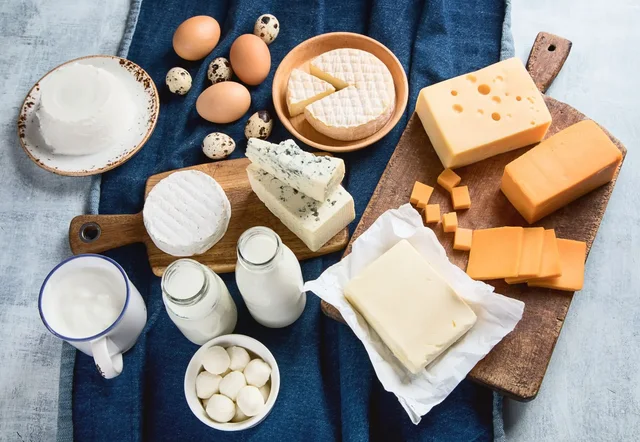
During 2024, Albania imported 35.5 million kilograms of dairy products, eggs and honey, up 13% compared to 2023 and up 51% compared to 2019. At the same time, the amount of milk produced in Albania fell by 5% in 2024 compared to 2023 and by 30% compared to 2019.
The two data are not strictly comparable. The reporting of foreign trade data summarizes in one large group milk, various types of dairy products such as butter or cheese, eggs and honey, while the amount of milk produced in Albania includes all milk that is then either consumed as such or made into by-products.
However, both data, the amount of imports and the amount of milk produced domestically, seem to have moved in opposite directions over the last six years. Imports are increasing while domestic production is decreasing.
In terms of value, imports of the group "Dairy products, eggs and honey" cost the country 6.8 billion lek or about 68 million euros during 2024, while Albania exported goods in this group with a total value of 787 million lek or 7.9 million euros. Imports in this chapter are 5 times higher than exports measured in quantity and almost 10 times higher measured in value.
The indicators of domestic production and meat imports give a similar picture. Last year, Albania imported 49 thousand tons of meat, up 2.8% compared to 2023 and up 18% compared to 2019. Last year, live weight meat production was 130 thousand tons, down 3.8% compared to 2023 and 16.7% compared to 2019. Live weight meat usually provides 60% of slaughtered meat, so, to make the figures comparable, we can say that the meat consumed in Albania last year was 49 thousand tons of imports and 78 thousand tons of domestic production.
Population decline and the 'Dutch disease'
In recent years, the population of Albania has fallen dramatically, but the rural population, which produces milk mainly in family farms, has fallen even more than the general population. This of course does not explain the dramatic 30% decline in milk production because, as the number of agricultural families falls, their production can be replaced without much difficulty by milk and meat production on large farms, in stables, where production efficiency is higher than in families and increasing production is comparatively easier.
Albanian agriculture certainly faces huge structural obstacles, from the fragmentation of land ownership to the lack of registered property titles, but the most likely factor that has brought about this situation, i.e. the increase in imports and the decline in production, seems to be the strengthening of the local currency in the exchange rate market.
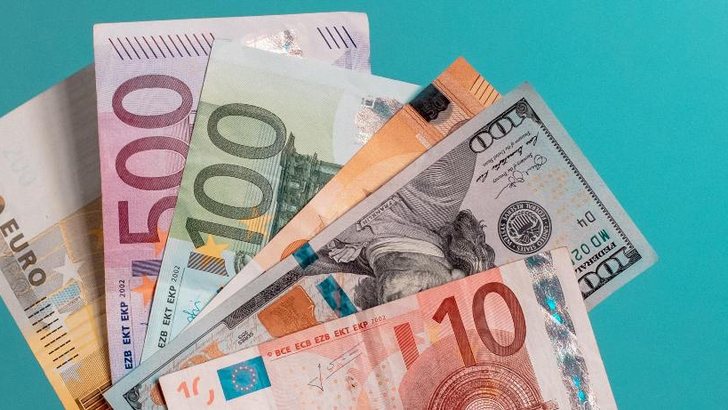
In 2017, the euro cost 140 lekë, while in 2019 it fell to 120 lekë. Currently, the euro costs 98 lekë. It is likely that dirty money has been channeled into Albania through investments in the construction market and real estate to cause an abnormal strengthening of the national currency, which has made imports increasingly cheaper and more competitive with domestic production.
The phenomenon in question is known by various names in economics. The most common name is Dutch Disease. Other names are resource curse or gold rush.
Dutch disease is a term originally coined by the British newspaper The Economist in 1977 to describe the state of the Dutch economy after the discovery of a large gas reservoir in the 1960s, which is still being exploited today. Gas exports brought a significant amount of foreign exchange into the Dutch economy, which strengthened the local currency and pushed traditional Dutch products out of the market.
Historians and economists have looked for similar examples in different parts of the world. The discovery of a large silver deposit in Latin America in the 16th century by Spain brought a lot of easy money to that country and made many other products worthless. Meanwhile, oil exports from certain countries, mainly in the Middle East, make their economies unable to produce almost anything else.
In this context, Albanians seem to have found their treasure in the form of easy money earned in international drug trafficking. This money is killing the economy of the entire rest of the country, including most Albanians, who are not selling drugs./ reporter.al