Is this police force professional and capable of handling violen...
/ 2026-10-16 18:54:07Focus


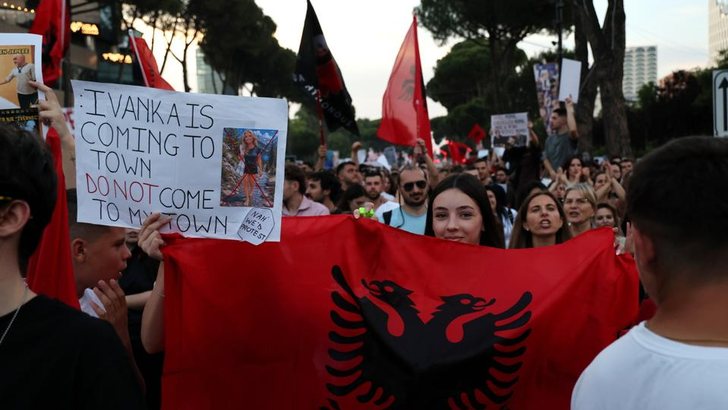
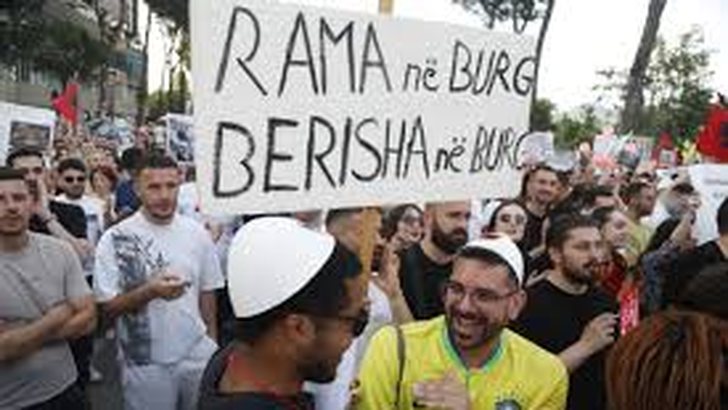
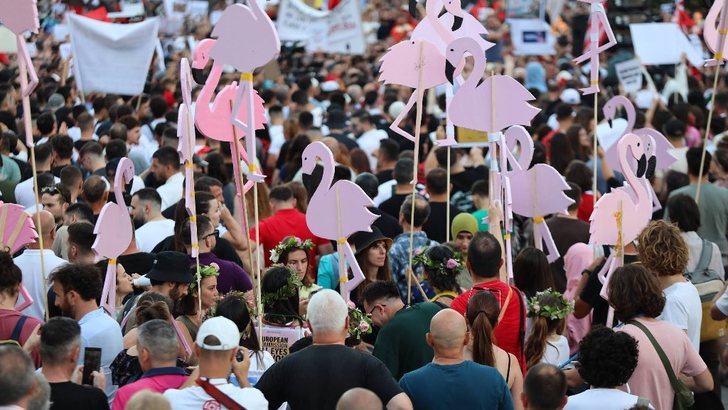
In the early days of the protest, there was talk of external enemies. But as the protest continues, today on its 11th day, the main opponent seems to have changed. It is no longer external enemies, it is not the opposition that “wishes Albania harm”, nor the journalists who “do not understand and distort reality”.
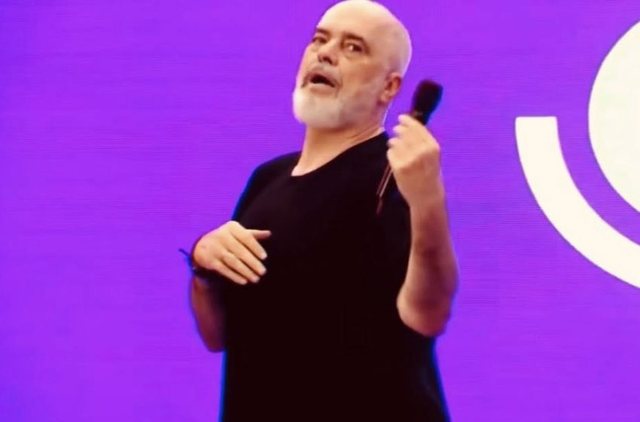
Today, the Prime Minister's favorite target is influencers. He mocks them, mocks them, and, at the same time, displays a clear nervousness that he cannot hide.
This is no coincidence. After all, the very word influencer comes from influence. When politics starts to take them seriously, it shows that it has understood a new reality: influence is no longer where it once was.
The interesting question that naturally arises is how is it possible that a person with a phone in his hand manages to have more influence than a national television station with modern studios, editorial offices, journalists, and guaranteed budgets?
The answer is as simple as it is unpleasant: a large part of traditional media has lost what was its greatest asset – TRUST.
Many citizens, especially young people, no longer perceive the media as an independent arbiter, but as part of the political and economic system it is supposed to monitor. When this trust is broken, technology cannot save you. You may have national coverage, but you may not have any influence on the public.
Meanwhile, an influencer doesn't gain an audience through a license. He/She gains it because he/she creates direct relationships with followers. They may not always agree with him/her, but they feel like they are communicating with a real person.
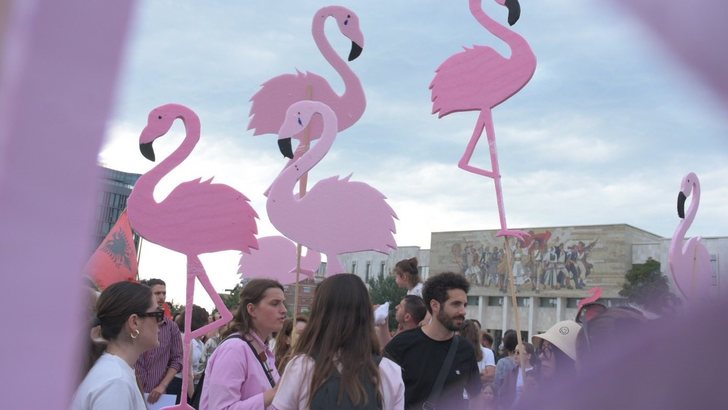
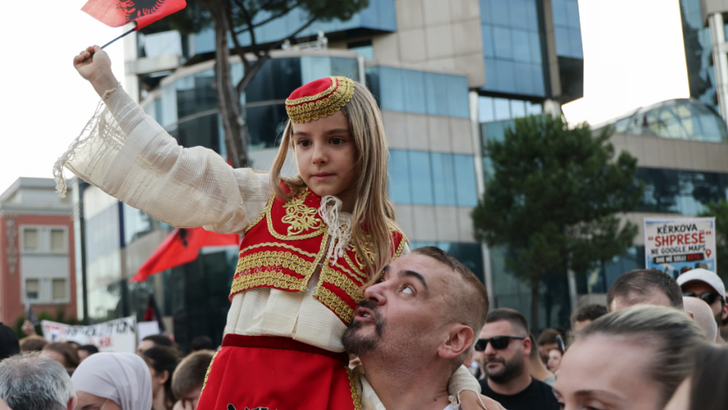
Most of the young people who fill the square are not informed by the daytime/evening news broadcasts. They are informed by WhatsApp, Instagram, TikTok, YouTube and their online groups.
Meanwhile, the Prime Minister continues to communicate mainly through television, which is watched by a completely different generation.
This creates two parallel realities that do not meet anywhere. In the first reality, the television reality, the protest is minimized, relativized or interpreted through the usual political filters. In the second reality, the digital one, videos, memes, live broadcasts and direct testimonies circulate in the media at a dizzying speed, creating a completely different perception of what is really happening.
For the first time in many years, the main political battle is no longer taking place in television studios, but on phone screens.
Therefore, the Prime Minister's war with influencers is much more than a debate with a few social media personalities. It is the clash of a declining era with a rising era, and perhaps this is the real cause of the nervousness.
It's not easy to win a battle against influencers, but it's almost impossible to win a battle against an entire generation that is no longer informed by channels where the information/narrative is under control.