Protests, violence, curfews: From France to Albania, why Europe'...
/ 2026-10-20 23:47:20Focus


Hundreds of Albanians crossing the Channel in small boats have helped their drug gangs secure an entry into Britain's cannabis market. They are recruited as workers on illegal cannabis 'farms' set up in rented houses or disused industrial buildings to produce up to £2m worth of the drug which can be grown and harvested in just 12 weeks.
The industrial scale of cannabis production has been revealed by an undercover investigation into a secret channel on the encrypted messaging service Telegram. This communication network is used by more than 700 Albanians to share information about their cannabis operations. Conversations between group members focus on the best chemicals for growing plants, the most effective way to harvest cannabis plants, the economics of securing properties for drug production and why not, the best weapons to protect their crops from rival gangs.
Members of the group recount robberies where cannabis "farm" workers have had their fingers cut off and the owners have demanded five-figure portions of the profits.
The National Crime Agency (NCA) said the ruthless professionalism Albanians have brought to cannabis cultivation has enabled them to displace the Vietnamese as Britain's main domestic drug suppliers.
Albanian gangs previously specializing in cocaine moved to cannabis because it was "very, very low risk". This makes a good profit because of the high demand – Britons consume 240 tonnes of the drug, worth £2.4 billion, a year – and it does not require dangerous cross-border transport because it is locally produced, according to the NCA.
The increase in the number of Albanians crossing the Channel in 2022, when 12,685 arrived in the UK in small boats, has ensured a ready supply of illegal workers skilled in the hydroponic technology required to grow plants in darkrooms of houses.
This has led to increased police focus on domestic cannabis production. About 29 Albanians were convicted in July alone for illegal drug production. This was followed by another 24 Albanians appearing before the courts in August. Some 101 illegal Albanian immigrants were sentenced to more than 300 years in prison in three months late last year. Three-quarters of them were convicted of cannabis-related offenses across England and Wales on inland farms.
Many of the illegal immigrants were recruited by gangs after a government crackdown on black economy work made it difficult for them to find work. Fines for bosses who employ illegal immigrants have been tripled to £60,000 per worker to make the practice so economically damaging it could put them “out of business”.
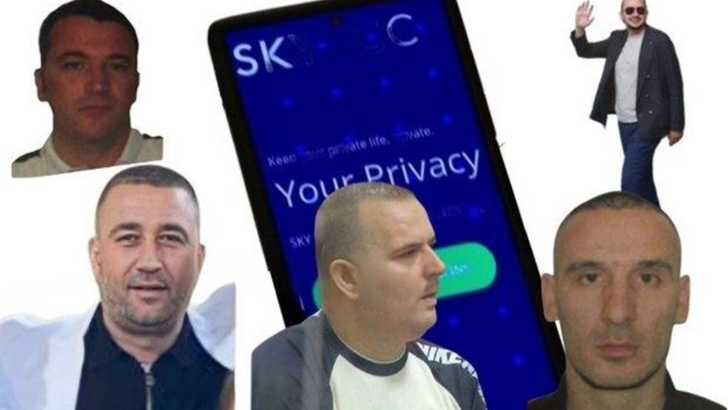
Police are concerned that Telegram has become a convenient platform for criminals. It has 900 million users, but only about 100 employees. Pavel Durov, Telegram's Russian-born founder, was arrested in France this summer for its alleged failure to combat the use of the service for crime, including the dissemination of child sexual abuse material.
The Albanian channel is called 'Kusho', which means "cousin" and is the nickname that Albanians use to address each other. There are currently 703 members sharing information on how to produce the maximum amount of cannabis from seed to grown plants. The posts on the channel were collected by an Albanian reporter who infiltrated the group. "Everyone, you should know how to grow 'roses'," said one of the organizers of the channel.
Another member listed the top six chemicals that have proven most effective for fast, healthy growth. One video demonstrated the best way to cut leaves from a cannabis plant, while one member, using the pseudonym Bushi06, offered cannabis seedlings for £5 and boasted that he had sold 700 so far.
In discussions about how to protect "farms", one Albanian explained that it was better to spend £337 on a high-powered bow than a gun, because being caught in possession would carry a lesser penalty. Some seemed less worried about the police discovering their illegal farms than attacks and robberies by rival gangs. "Most cannabis house robberies are happening in Leicester. They cut the fingers of an Albanian worker", said a member of the group.
"The police are not the big problem," said a London-based Albanian using the pseudonym Deni. "The main problem is robbers who are now using drones to identify houses. They detect the heat from the plants through the roofs of the houses.”
Others complained that landlords were charging them for the use of their properties or demanding a cut of the profits. “Landlords are paying £4,000 a month for a house. It's not worth it at all," said one. Another said: “So far I've invested £31,000 in a house, including £12k on its shutters and £12k on lights. I don't know if I will get my money back. The agency that rented my house is asking for £9,000 when the produce is ready to harvest.”
Last summer, police launched Operation Mille to target cannabis farms in the UK. Among the prisoners was Nard Nidri, 34, who entered the UK illegally in 2022 and lived in Birmingham, then moved to Swansea, where he worked in a car wash, before being recruited to a cannabis farm.
He was one of four "gardeners" jailed for a total of six years in August after police arrested them at a property in Neath, south Wales. Two rooms and the attic were adapted and insulated to grow plants with a street value of £85,000. Sentencing them, Judge Geraint Walters said the cannabis farms run by Albanian criminal gangs had reached "epidemic levels" and, in his view, had "turned into an industry".
He suggested authorities should look at the rental housing sector, noting that while so-called cannabis "farmers" often appeared in court, landlords and others who received money from renting properties used for growing operations rarely did. they did this.