Is this police force professional and capable of handling violen...
/ 2026-10-16 18:54:07Focus


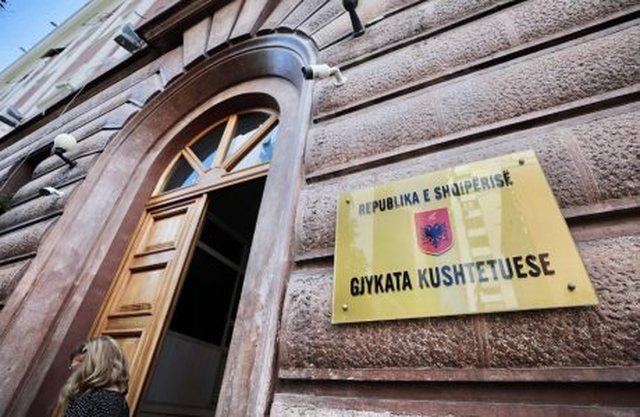
The National Association of Judges of the Republic of Albania has reacted strongly to the public statements of Prime Minister Edi Rama, describing them as a speculative and populist campaign that aims to exert pressure on the Constitutional Court and, according to them, to delegitimize a constitutional process in the final phase of decision-making.
The National Association of Judges of the Republic of Albania has also listed the reasons why they referred the matter to the Constitutional Court.
DECLARATION OF THE NATIONAL ASSOCIATION OF JUDGES OF THE REPUBLIC OF ALBANIA
The National Association of Judges of the Republic of Albania has followed with regret and concern the campaign of public speculation undertaken by the head of the Council of Ministers and also its media development, which culminated last evening. All this populist smoke has been created and spread with the aim of lynching judges and their associations in connection with a constitutional judicial process, which is in the final decision-making phase at the Constitutional Court.
Therefore, we consider it necessary, not to argue the constitutional justice of the claims presented in the two submitted requests, since their legal articulation and submission to the court of law is already a closed phase of the process, but to not allow the public to be misinformed about the goals of these judicial initiatives. In respect of the principles of the rule of law and the universal democratic and civic standards that our Republic aspires to, we cannot allow ourselves to exert pressure on the Constitutional Court, intimidate the judges, threaten them or disturb their peace of mind, which should be the final phase of the process, the decision-making phase. There is now only one legitimate voice that must be heard and that voice belongs only to the articulation of the decision by the Constitutional Court.
But we cannot remain silent in the face of the prime ministerial, public, media, completely hysterical, which aims to ignite opposition in public opinion for a decision-making and constitutional process that should take place in the courtroom. In all this government campaign and multiplied media, incited day by day to create populist frenzy against a constitutional judicial process, some historical facts must be mentioned, which are neglected to be cited, intentionally by some and by the understandable ignorance of others.
First, the draft law on the status of magistrates, drafted by national and international experts mandated by the Special Parliamentary Commission on Justice Reform, predicted in 2016 that the financial status of magistrates' salaries would be almost a third higher in absolute value than what was hastily decided and without public debate to become law by the Assembly in November 2026. The speed of approving laws in the Assembly and the avoidance of debate on this proposal, universally accepted in the years of drafting the legal reform package, caused the first concession in this direction from the standards of the new justice to occur with the adoption of the amended version of the law on the status of magistrates. This was the first bad faith shown in the relay of those who are only learning how to continue and not stop.
Secondly, as if this concession were not enough, the November 2016 law stipulated that the financial effects of magistrates' salaries would start from 01.01.2019. Thus, for two years and two months, the new reform decided that magistrates would be paid with the old reforms. This moment was the second bad faith in a row.
Thirdly, the baton was passed to the third bad faith, as at the last moment the Assembly changed the transitional provision of the law, providing that magistrates who had not passed the vetting, on the long-awaited date, 01.01.2019, would continue to receive the old salary, the one determined in 2008, with the new law immediately being applied only to magistrates who had passed the vetting. It was precisely the two associations of judges that addressed the Constitutional Court at that time to repeal this third concession to the sincerity of the will of Albanian statesmen, since such legal treatment violated universal standards of justice and equality of citizens before the law. Thanks to the Constitutional Court's repealing intervention at that time, this injustice of the Assembly was corrected and the status of the magistrate was not violated.
Fourth, before the date of 01.01.2019, the Council of Ministers, by decision and in bad faith, showed the fourth lack of sincerity and will in this element of the reform in the justice system. The salary of magistrates, by domestic and international mandated experts and approved by the qualified majority of the Assembly, was constructed in such a way that the reference salary was inextricably linked to a certain category of senior civil servant in the Prime Minister's Office, taking into account the protection of the status, independence and dignity of the magistrate in this progressive economic standard, not only at the moment of the adoption of the law, but in any law that would be adopted in the future, according to the vision of Article 138 of the Constitution. The fourth lack of sincerity of will on the one hand and the subsequent bad faith on the other hand by the Council of Ministers led to the fact that, under the instructions of the Ministry of Finance, the High Judicial Council, the High Prosecutorial Council and further every court and prosecutor in the country took as a basis a lower salary reference for building the financial status of the magistrate, given that the category of civil servant in the Council of Ministers, which the law on the status of the magistrate had referred to, had already been deliberately and in bad faith suppressed by the executive.
Fifth, to correct this unconstitutionality, which was caused to the organic law by a normative sub-legal act, already identified and denounced by the Supreme State Audit in 2020, the Assembly legalized the unconstitutionality of the decision of the Council of Ministers, which before 01.01.2019 had abolished precisely the administrative position of civil servant in the Prime Minister's Office solely in order to violate and not enjoy the financial status of magistrates, by fictitiously reducing them one category lower in the reference salary. This was the fifth lack in a row of sincerity and will to implement this element of reform in the justice system. This law was contested by the judges' association in the Constitutional Court and in 2022 the latter repealed it, arguing, among other things, that the financial status of magistrates could not be reduced, that the Assembly was free to compose the reference salary but that this freedom, according to Article 138 of the Constitution, was conditioned in any case by the non-deterioration of their financial status qualitatively and materially.
Së gjashti, si kundërvenie e kësaj qëndrese dhe emancipimi të pushtetit gjyqësor dhe shoqërisë civile të gjyqtarëve, Këshilli i Ministrave vendosi sërisht të ndërhyjë në statusin financiar të magjistratëve, duke e ulur cilësisht dhe materialisht atë por duke e fshehur këtë ulje nën keqbesimin e një formule që siguron vetëm vlerën absolute të pagës referuese por jo standardin e nenit 138 të Kushtetutës dhe standardin jurisprudencial të Gjykatës Kushtetuese. Të keqardhur nga kjo mungesë e gjashtë e sinqeritetit dhe nga ky kebesim i rradhës mbi zbatimin e një ndër elementeve më të rëndësishëm të reformës në sistemin e drejtësisë nga ana e Këshillit të Ministrave dhe Kuvendit, të indinjuar nga kjo sjellje dhe nëpërkëmbje e tyre mbi paprekshmërinë e dinjitetit të magjistratëve, shoqatat e gjyqtarëve kanë aktivizuar për të tretën herë radhazi juridiksionin e Gjykatës Kushtetuese, tashmë për të vendosur nëse ligji i vitit 2023 pajtohet apo jo me jurisprudencën e saj dhe me nenin 138 të Kushtetutës, i cili në ligjëratë të drejtë urdhëron se: “Paga dhe përfitimet e tjera të gjyqtarëve nuk mund të ulen”.
Pikërisht kjo është historia e vazhdueshme dhe recidivizmit të ndërhyrjeve të pushtetit ekzekutiv dhe legjislativ në statusin magjistratëve dhe në pavarësinë e pushtetit gjyqësor, në mënyrë të papajtueshme me Kushtetutën. Këto ndërhyrje antikushtetuese kanë nisur nga viti 2016, për ta vijuar në vitin 2019, në vitin 2021 dhe më tej në vitin 2023. Ndërkohë në ligjërimin e djeshëm të kreut të ekzekutivit u paralajmërua publikisht dhe kërcënueshëm se, edhe pas vendimmarrjes së Gjykatës Kushtetuese, do të gjendet një zgjidhje e tjetër dhe alternative e stilit të sulmit të rradhës, që i bie të jetë keqbesimi i shtatë në rradhë, megjithëse deri më tani vetëm i premtuar.
Përmes këtij reagimi kërkojmë që të përcjellim publikisht se të gjitha iniciativat civile dhe kushtetuese të shoqatave të gjyqtarëve nuk kanë si qëllim “rritjen e pagës”, një term ky i zgjedhur qëllimisht, i gënjeshtërt dhe spekulant, vetëm e vetëm për t’i kundërvënë procesit gjyqësor kushtetues populizmin, si armë e pafuqisë juridike dhe e fuqisë së përbaltjes. Gjithë këto iniciativa kushtetuese dhe civile të shoqatave të gjyqtarëve nuk janë ndërmarrë ndër vite për të përcjellë në publik debatin e gënjeshtët se cili profesion është më i rëndësishëm dhe se cili duhet të paguhet më shumë. Në këtë histori kundërshtimesh kushtetuese, tashmë prej 10 vitesh, nuk është pushteti gjyqësor që po kërkon t’i imponohet pushtetit ekzekutiv dhe legjislativ. Ky është spekulim. E vërteta është se janë këto të fundit që kërkojnë të zhbëjnë nenin 138 të Kushtetutës dhe bashkë me të edhe qëllimet kushtetuese se pse një normë e tillë është sanksionuar nga viti 1998. Ky është një qëllim keqdashës i fushatës publike të nisur për ta shndërruar procesin gjyqësor kushtetues në gjyq popullor.
We believe that the behavior of judges' associations over the years in this regard should not be perceived as destabilizing for the country, neither from a social, legal, nor financial perspective.
On the contrary, attempts to present them in this way constitute another speculative approach. All this civil enterprise of judges' associations in the face of these government and legislative initiatives, openly or secretly unconstitutional, should be assessed as only contributing to the strengthening of the principles of the rule of law, democracy, the independence of the judiciary and also the emancipation of magistrates. This behavior should reflect in the public only the sense of civic determination to not allow oppression by any power.