How Belinda Balluku is fabricating the rumor about Top Channel's...
/ 2026-10-19 16:19:00Focus


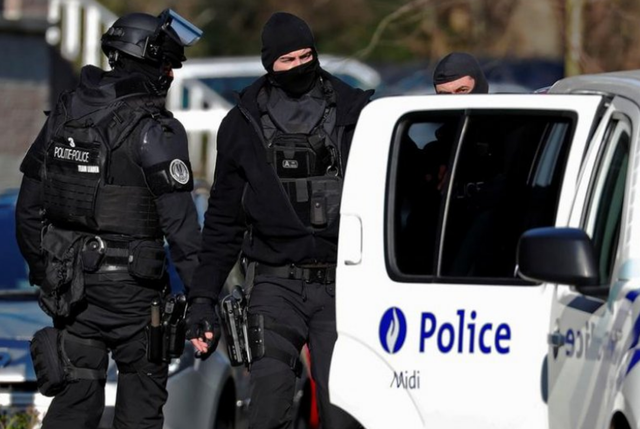
A Belgian court jailed dozens of people on Tuesday in one of the country's biggest drug trials, where leaders of a criminal drug-trafficking ring were sentenced to up to 17 years in prison.
More than 120 defendants from Belgium, Albania, Colombia and North Africa were accused of taking part in a multinational cocaine and cannabis trafficking enterprise after investigators cracked open encrypted messaging apps.
The judges handed down sentences of more than 700 years in total for all the defendants. Only nine of the accused were acquitted.
Another 119 received prison sentences ranging from a few months to more than 15 years on a variety of charges, including participation in a criminal organization, drug trafficking, arms trafficking and attempted extortion.
The court also ordered the confiscation of assets worth tens of millions of euros.
"It's an extremely harsh trial," Gilles Vanderbeck, a lawyer representing one of the suspected ringleaders, told AFP, noting the low number of acquittals and suspended sentences.
His client, Algerian Abdelahab Guerni, was jailed for 17 years, the harshest sentence handed down on Tuesday.
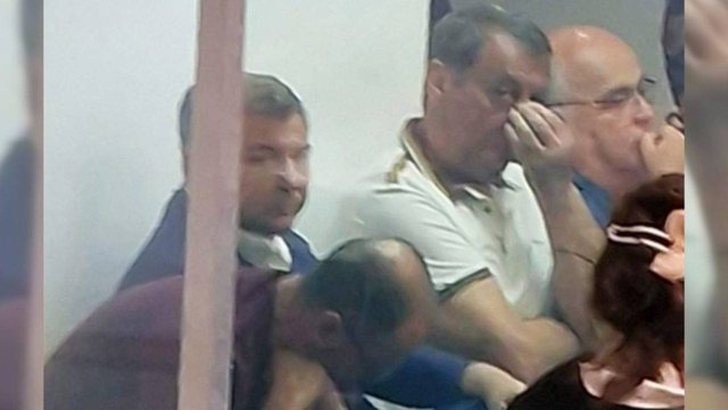
Guerni, a tall balding man, was among more than 20 defendants led in handcuffs into a courtroom at the former headquarters of the NATO military alliance in Brussels.
They sat in the dock facing a line of police officers as the judges read out the long list of verdicts.
The other accused who were released on bail pending trial sat in court to await their fate.
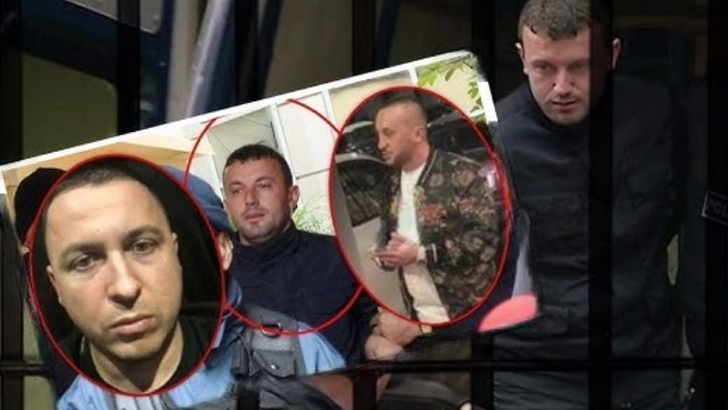
The Albanian from Vlora with the Colombian surname Eridan Munoz Guerrero, another suspected leader, was sentenced to 14 years in prison.
Accused of running several cocaine laboratories in Belgium, the Albanian Munoz Guerrero had admitted his guilt at the beginning of the trial, telling the court: "Your honor, I played, and I lost."
His lawyer, Nathalie Gallant, described the verdict as "just", adding that her client's sentence reflected his cooperation with authorities.
The trafficking ring - active from 2017 to the end of 2022 - involved multiple criminal gangs and was dismantled following police raids in Belgium, Germany and Italy.
Prosecutors had asked for up to 20 years in prison for some of the accused.
They said the drugs were transported in containers from South America and Morocco and smuggled through ports in Belgium, particularly the giant port of Antwerp, as well as the Netherlands, Germany and France before being sold across Europe.
The case was based in part on evidence uncovered after investigators opened the secret Sky ECC and EncroChat apps, which the gangs used to communicate.
By breaking into the messaging apps, police said they were able to observe the planning and execution of vulnerable drug smuggling operations.
Belgian authorities have portrayed the trial as the latest blow to drug-trafficking gangs.
But some defense lawyers denounced it as a "publicity stunt," accusing prosecutors of stringing together separate cases in a high-profile trial.
"The fact that they were all tried together gave an impression of grandeur and probably allowed the sentences to be increased," Vanderbeck said.
Prosecutors insist there was a "structure and hierarchy" between the various criminal groups involved and clear illicit trade links.
The decision was originally expected on September 2, but was postponed after the objection of one of the defendants.
Lawyers for some of the defendants said they were considering appealing but needed to read the more than 1,000-page ruling first.
"This was one of the biggest criminal trials in the country's history," the Brussels court said in a statement, adding that organizing it had been "a real challenge" given the number of people involved.