Protests, violence, curfews: From France to Albania, why Europe'...
/ 2026-10-20 23:47:20Focus


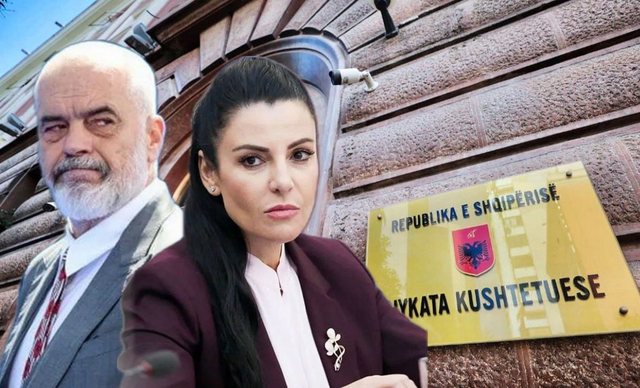
The government requests the suspension of the GJKKO decision, arguing that the removal of Deputy Prime Minister Belinda Balluku from office undermines the functioning of the country's institutions and strategic projects.
The Council of Ministers addressed the Constitutional Court on November 21, requesting the suspension of the decision of the Special Court (GJKKO).
The GJKKO has suspended the Deputy Prime Minister and Minister of Infrastructure and Energy, Belinda Balluku, from her duties.
The government argues that the measure taken by the GJKKO violates the powers of three constitutional institutions: the Prime Minister, the President, and the Assembly.
In the request signed by Prime Minister Edi Rama, the government requests the suspension of only the part of the decision related to Balluk's removal from office, claiming that this act affects high state and social interests.
According to the Council of Ministers' argument, Balluk's suspension creates an "institutional vacuum", hindering the functioning of the ministry she heads.
The document emphasizes that this situation "makes it impossible to propose projects of national importance for integration into the European Union, around 800 projects to be approved by the end of 2027."
The government states that a member of the Council of Ministers enjoys the same rights as a deputy and, therefore, cannot be suspended from office through a judicial decision without respecting these constitutional guarantees.
The Special Court decided to suspend Belinda Balluku from all executive functions and banned her from leaving the country, as she is a defendant in the investigation into the Llogora tunnel tender and under investigation for the tender for lot 4 of the Grand Ring Road.
The Constitutional Court is expected to review the government's request, which aims to reinstate Balluk until a final decision on the constitutionality of the measure taken by the GJKKO.