Protests, violence, curfews: From France to Albania, why Europe'...
/ 2026-10-20 23:47:20Focus


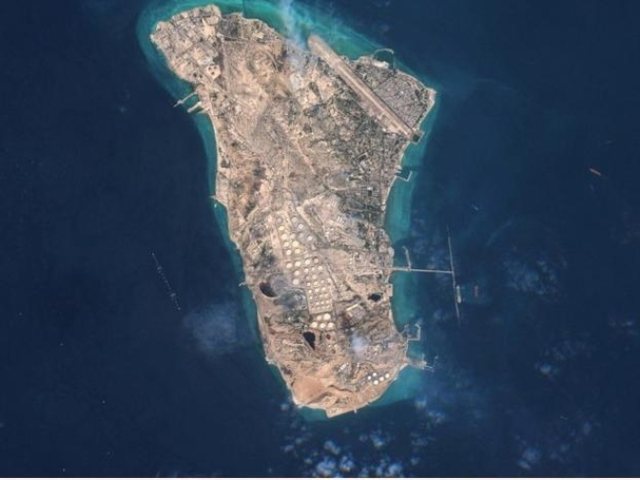
As the war in the Middle East escalates, attention is increasingly focused on a small rocky island in the Persian Gulf, located at the "heart" of Iran's oil economy: Kharg Island.
This island, about 24 kilometers off the Iranian coast, is home to the country's main crude oil export terminal (much of which goes to China) and is the gateway to the vast majority of Iranian oil shipments to world markets. An estimated 85% to 95% of Iran's oil exports are loaded at this point before tankers head across the Persian Gulf and the Strait of Hormuz to international destinations.
In practice, this makes the island the most important energy infrastructure that Iran possesses!
For decades, its facilities have been a strategic asset, and the ayatollahs have worked to reinforce and protect them. This is a forced choice, because the Gulf's water is shallow and this land is one of the few places where supertankers can operate.
According to Axios reports, Donald Trump's administration is considering whether US special forces could take control of or neutralize the island as part of a strategy to pressure Tehran during the ongoing war.
Iran’s economy relies heavily on oil revenues, and Kharg is the hub through which most of that revenue flows. For this reason, analysts often describe the island as the “single critical point of weakness” of Iran’s energy system. The Kharg terminal processes several times more oil than all the country’s other export terminals combined.
This vulnerability has been known for decades. During the Iran-Iraq war in the 1980s, Iraqi planes repeatedly bombed Kharg Island in an attempt to cripple the Iranian economy.
Two years ago, Israel also considered intensive attacks, but so far the strikes have included other plants, leaving the Kharg pipelines untouched.
Although the attacks caused significant damage, the terminal was never completely closed.
Iran's oil lifeline
Kharg's importance is also linked to its geographical location. Most of Iran's oil fields are located in the southwest of the country and in the northern part of the Persian Gulf. Oil is transported via pipelines to storage tanks and loading points on the island, where giant tankers can anchor offshore to pick up the cargo.
Kapaciteti i terminalit është shumë i madh: infrastruktura e ngarkimit mund të përballojë njëkohësisht disa supercisterna dhe të eksportojë disa miliona fuçi naftë në ditë. Për këtë arsye, Kharg konsiderohet nyja kryesore e eksporteve energjetike të Iranit.
Në rajon ndodhen edhe ishujt strategjikë Greater Tunb dhe Lesser Tunb, që mbikëqyrin rrugët detare të cisternave që hyjnë dhe dalin nga Gjiri Persik. Nga këto pozicione, forcat iraniane mund të kërcënojnë anijet me raketa, dronë dhe mjete të shpejta sulmi.
Neutralizimi i këtyre pikave do të mund të mbronte trafikun e cisternave dhe të ulte presionin mbi çmimet e energjisë. Por një goditje ndaj Kharg do të prekte drejtpërdrejt burimin kryesor të financimit të qeverisë iraniane.
Një lëvizje me rrezik të madh
Ideja për të kontrolluar burimin kryesor ekonomik të një shteti prodhues nafte ka precedent.
Më herët këtë vit, pasi forcat amerikane kapën presidentin venezuelian Nicolás Maduro, Washingtoni mori kontrollin mbi tregtinë e naftës së vendit duke interceptuar dhe ridrejtuar cisternat, duke lejuar eksportet vetëm drejt blerësve të miratuar.
Megjithatë, Kharg përfaqëson një objektiv shumë më të rëndësishëm, pasi Irani eksporton shumë më tepër naftë dhe kontrollon rrugë detare strategjike. Marrja nën kontroll e terminalit të eksportit mund të jetë më e lehtë sesa ndalimi i çdo cisternë që largohet prej tij, por një veprim i tillë do të ishte edhe shumë më përshkallëzues.
Një sulm apo pushtim i ishullit do të godiste drejtpërdrejt Iranit dhe mund të provokonte kundërpërgjigje ndaj infrastrukturës energjetike në Gjirin Persik, ndaj rrugëve detare apo objekteve energjetike në rajon.
Çdo ndërprerje e operacioneve në këtë ishull mund të rriste ndjeshëm çmimet globale të naftës.
Për momentin, ishulli vazhdon të funksionojë normalisht. Sipas të dhënave të trafikut detar, cisternat kanë vazhduar të ngarkojnë naftë në ditët e fundit, edhe pse tensionet në rajon janë rritur. Por nëse Washingtoni vendos ta godasë, Kharg mund të shndërrohet nga linja jetike e naftës së Iranit në fushëbetejën kryesore të luftës ekonomike që po zhvillohet në Gjirin Persik.
5 mijë ushtarë gati, por Trump pret
Sipas raportimeve të fundit, Donald Trump ka mbajtur një qëndrim të ndërlikuar dhe të pasigurt për ishullin Kharg: ai ka përjashtuar për momentin një sulm të drejtpërdrejtë të forcave amerikane në Iran, por ka lënë të hapura të gjitha opsionet, duke krijuar një strategji të dyshimtë pritjeje dhe presioni.
Shtabi i 82-tës Divizionit Aerotransportues në Fort Bragg, me rreth 5 mijë ushtarë gati për mobilizim në pak orë, ka anuluar papritur pjesëmarrjen në stërvitje në Louisiana, një lëvizje që tregon gatishmërinë e forcave speciale, edhe pse nuk është saktësuar nëse do të përdoren për Kharg apo për detyra të tjera.
Sulmi, megjithatë, ka rreziqe të mëdha: Garda Revolucionare mund të hakmerret duke sulmuar impiante saudite dhe të vendeve të tjera të Gjirit, duke përkeqësuar tronditjen e tregut të naftës.
The Iranian message is clear: if we can't sell oil, neither can you!